Summary
Poisoning describes the harmful effects of exposure (i.e., inhalation, ingestion, injection, absorption) to a potentially toxic substance. The degree of harm depends on substance factors (e.g., type, amount, route of exposure) and patient factors, (e.g., age, body habitus, organ function). Poisoning is typically managed in consultation with a medical toxicologist and/or a local poison control center and can involve acute stabilization, supportive care, decontamination, enhanced elimination, and antidotes. The type and urgency of management depend on each individual's toxicological risk assessment, which is primarily based on the toxicological history and physical examination, and supported diagnostics tests. In the US, the Poison Help line (1-800-222-1222) allows for immediate 24/7 specialist consultation nationwide.
This article is an overview of poisoning with details on cyanide, cleaning products (e.g., caustic agents), mushrooms, plants, and rodenticides. Details on other poisonings are covered in their respective articles.
For a clinical approach and details on management common to all poisoning, see “Approach to the poisoned patient.”
Overview
Overview of poisonings and their management
| Overview of poisoning and management | ||
|---|---|---|
| Substance | Pathophysiology | Management |
| Anticholinergics [1] |
|
|
| Cholinergics [2] |
|
|
| CNS stimulants [2] |
|
|
| Barbiturates [2] |
|
|
| Benzodiazepines [2] |
|
|
| Opioids [3][4] |
|
|
| Beta blockers [2][4] |
|
|
| Digitalis [4] |
|
|
| Warfarin [5] |
|
|
| Dabigatran [5][6] |
|
|
| Heparin [4][7] |
|
|
| Fibrinolytics [8] |
|
|
| Salicylates [4] |
|
|
| Acetaminophen [4] |
|
|
| Tricyclic antidepressants [2][9] |
|
|
| Methanol or ethylene glycol [4][10] |
|
|
| Metals [11][12][13][14] |
|
|
| Carbon monoxide [4][15] |
|
|
| Cyanide [16] |
|
|
| Substances that cause acquired methemoglobinemia [4][17] |
|
|
Activated charcoal effectively binds acetaminophen, aspirin, and tricyclic antidepressants.
Activated charcoal is ineffective in GI decontamination of heavy metal poisoning, cyanide poisoning, lithium poisoning, caustic ingestions, and toxic alcohol poisoning.
Toxidromes
- Anticholinergic toxidrome
- Cholinergic toxidrome
- Sedative-hypnotic toxidrome
- Sympathomimetic toxidrome
- Serotonin toxidrome
- Opioid toxidrome

Drug-related
- Acetaminophen overdose
- Salicylate poisoning
- Local anesthetic systemic toxicity
- Cardiovascular drug poisoning
- Psychiatric drug poisoning
- Serotonin toxicity
- Neuroleptic malignant syndrome
- Opioid overdose
- Cholinergic poisoning
- Sedative-hypnotic drug poisoning
- Stimulant intoxication
- Cannabis-induced disorders
- Alcohol intoxication
- Hallucinogen intoxication
- Vitamin toxicity
Environmental substance-related
- Carbon monoxide poisoning
- Toxic alcohol poisoning
- Metal poisoning
- Irritants and asphyxiants
- Envenomation
- Foodborne illnesses
- Hydrocarbon toxicity
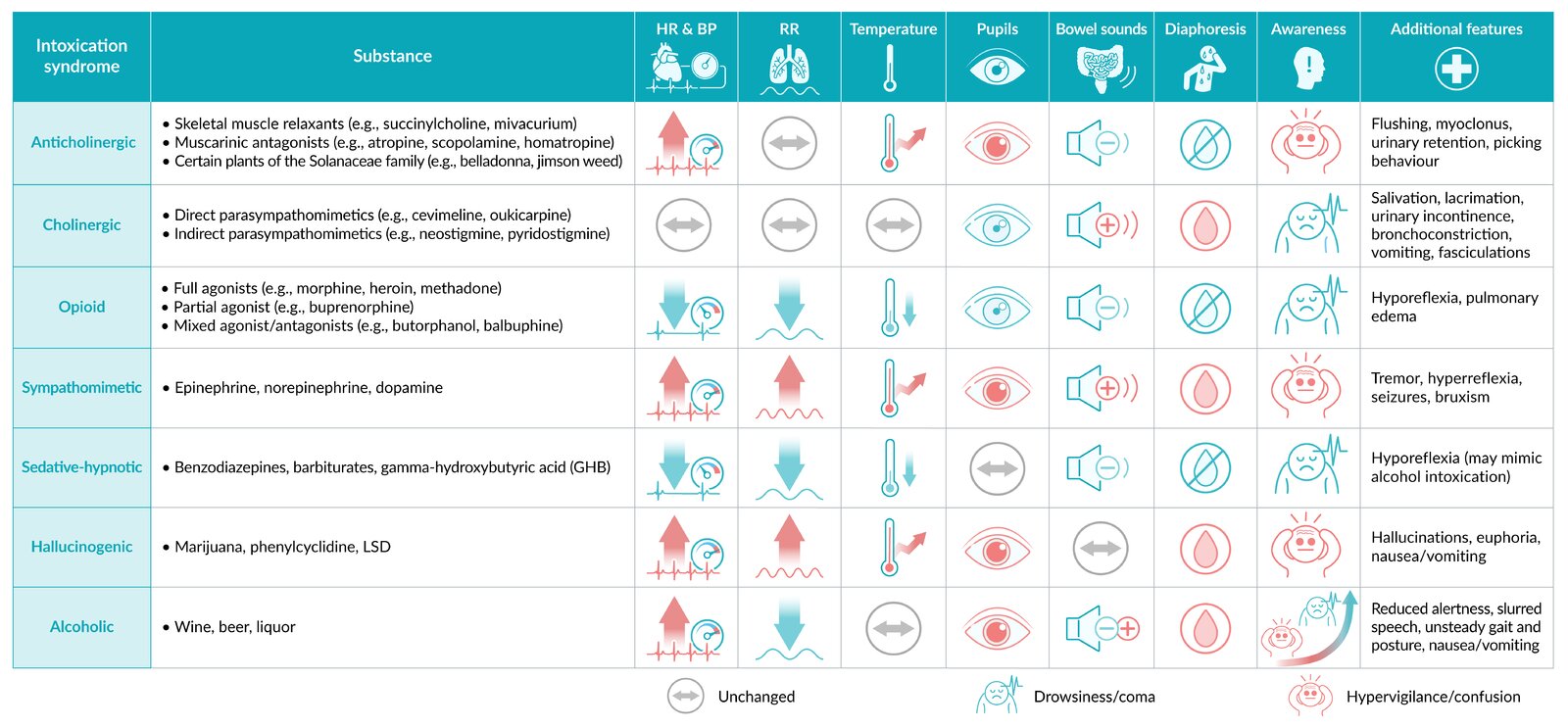
© AMBOSS
Cyanides
Description
- Definition: a chemical compound containing a cyano group
- Examples: cyanide (CN‑), hydrogen cyanide (HCN), potassium cyanide (KCN)
Cyanide is highly toxic and rapidly lethal; exposure to small amounts can be fatal. [18]
Sources of exposure [16]
- Fires: Cyanide is released by various substances during combustion (e.g., plastics, upholstery, rubber).
- Industrial: metal industry, electroplating, manufacture of nitrogen-containing materials and products (e.g., plastics, jewelry)
- Medical: long-term or high-dose treatment with sodium nitroprusside, especially in patients with CKD
- Biological: : naturally occurring substances containing cyanogenic compounds (e.g., amygdalin), including cassava, apricot seeds, and bitter almonds
Pathophysiology [4][16]
- Absorbed through the skin, respiratory system, and GI tract
- Cyanide blocks the electron transport chain by binding to cytochrome complex IV → ↓ oxidative phosphorylation → anaerobic metabolism, ↑ lactic acid, histotoxic hypoxia
- The oxygen dissociation curve is usually normal, unlike in carbon monoxide poisoning.
Clinical features [16][19]
- Onset of symptoms: within seconds (inhalation) to minutes (oral ingestion)
- Neurological: : confusion, agitation, vertigo, headache, seizures, coma
-
Respiratory
- Bitter almond breath [16]
- Clinical features of respiratory failure (e.g., dyspnea)
- Cardiovascular: chest pain, cardiac arrhythmia, signs of shock
- Gastrointestinal: : nausea, vomiting, abdominal pain
- Skin: : flushing (cherry-red skin)
- Ophthalmological: bright red retinal veins on fundoscopic examination
Consider cyanide poisoning in patients who develop symptoms after treatment with sodium nitroprusside (e.g., for hypertensive emergency).
Diagnostics [4][20]
Cyanide poisoning is primarily a clinical diagnosis. [20]
- Pulse oximetry: typically normal
- Blood gas analysis: metabolic acidosis (e.g., ↓ pH, ↓ HCO3-)
- BMP: : anion gap metabolic acidosis
- Lactate: elevated; a level > 8 mmol/L in a patient with suspected poisoning is highly predictive of cyanide poisoning. [4]
- CO-oximetry: may reveal concurrent carbon monoxide poisoning
MRI brain is typically normal in cyanide poisoning, whereas carbon monoxide poisoning is generally associated with globus pallidus hypodensities.
Management [4][16]
- Begin resuscitation following ABCDE approach for poisoning.
- Perform body surface decontamination.
- Administer 100% oxygen therapy.
- Administer antidote for cyanide poisoning as soon as it is indicated.
- Perform a toxicological risk assessment and obtain diagnostic studies.
- Call the local Poison Control Center: In the US, the Poison Help line is 1-800-222-1222.
- Provide supportive care in the poisoned patient.
- Admit the patient to the ICU.
Do not delay empiric antidotal treatment if cyanide poisoning is suspected. [4]
Antidotes for cyanide poisoning [4][16]
Indications
- Suspected acute cyanide poisoning
- Exposure to fire or smoke with any of the following, regardless of carboxyhemoglobin concentration:
- Altered mental status
- Hemodynamic instability
- Serum lactate > 8 mmol/L
Hydroxocobalamin
- First-line antidote for cyanide poisoning
- A precursor of vitamin B12
- Binds cyanide directly and forms vitamin B12, which is excreted in urine
- Dosage: hydroxocobalamin [4]
Hydroxocobalamin may cause red discoloration of the patient's skin, urine, and plasma, which can affect the accuracy of laboratory studies that rely on spectrophotometry (e.g., CO-oximetry, lactate levels). [4]
Nitrites
- Second-line antidotes for cyanide poisoning; often combined with sodium thiosulfate
- Nitrites induce methemoglobinemia by oxidizing hemoglobin to create methemoglobin.
- Cyanide preferentially binds to methemoglobin, forming the compound cyanomethemoglobin.
- This frees cytochrome complex IV to resume oxidative phosphorylation.
- Examples
- Sodium nitrite
- Amyl nitrite: can be inhaled; consider if IV access is unavailable. [4]
Exercise caution in patients with suspected carbon monoxide poisoning as inducing methemoglobinemia can worsen tissue hypoxia. [21]
Sodium thiosulfate
- A second-line antidote for cyanide poisoning; often combined with nitrites
- Supplies sulfur donors to the mitochondrial enzyme rhodanese
- Rhodanese converts cyanide (or cyanomethemoglobin) into thiocyanate, a nontoxic compound excreted in urine.
- Dosage: sodium thiosulfate
Cleaning products
Toxic substances [2][22][23][24][25]
- Household and industrial cleaning products may contain multiple substances of varying toxicity.
- Tissue corrosion is the most common and clinically important effect.
Caustic agents
- Contain strong acids or alkalis, e.g., potassium hydroxide, sodium hydroxide
- Associated with significant tissue damage (e.g., chemical burns) and systemic effects
- Examples
-
Heavy-duty detergents, e.g.:
- Oven cleaners
- Drain cleaners
- Toilet bowl cleaners
- Industrial degreasers
- Industrial disinfectants
- Certain dishwashing and laundry detergents (including single-use pods) [23][24]
- Etching agents, e.g., hydrofluoric acid
- Soldering flux, e.g., zinc chloride
- Bleach, e.g., sodium hypochlorite
-
Heavy-duty detergents, e.g.:
Noncaustic detergents and disinfectants [24]
- Active ingredients have milder corrosive, irritant, or otherwise toxic effects than caustic agents, e.g.:
- Foaming agents (surfactants)
- Mild or moderate acids or alkalis, e.g., sodium carbonate
- Mild bleaching substances, e.g., hydrogen peroxide or its precursors
- Toxic alcohols
- Effects are usually mild but may occasionally cause significant toxicity. [24]
- Examples: laundry detergents, dishwasher tablets, dish soaps, hand soaps, single-use pods, household disinfectants
Caustic agents and other toxic substances may be present in some, but not all, household dishwashing and laundry detergents.
Ingestion
Clinical features [25]
-
Caustic agents
- Oral pain, odynophagia, hypersalivation
- Dysphagia
- Abdominal pain, nausea, vomiting
- Chest pain, dyspnea
- Oral ulceration, pallor, edema
- In cases of aspiration
- Signs of airway compromise
- Dysphonia
- Clinical features of aspiration pneumonitis
- Severe cases
- Clinical features of mediastinitis
- Upper GI bleeding
-
Noncaustic detergents [24]
- Usually milder than caustic agents but depends on the active ingredients
- Manifestations include: [24]
- Nausea and vomiting
- Foaming at the mouth
- Oral irritation
- Dyspepsia
- Stridor (rare)
Management [4][25][26]
- Follow the ABCDE approach for poisoning.
- Consider early intubation if there are signs of airway compromise; or airway injury (e.g., edema, erosions, necrosis).
- Prepare for a difficult airway (e.g., video laryngoscopy, fiberoptic intubation, emergency surgical airway).
- Avoid GI decontamination or inducing emesis.
- Check material safety data sheets and consult poison control to determine the toxicity of household and industrial cleaning products.
- Evaluate for GI mucosal injury, esophageal perforation, and gastric perforation.
- Consult gastroenterology and/or general surgery.
- Obtain CT chest and abdomen with IV contrast to assess for indications for urgent surgery.
- Arrange for endoscopy (EGD) within 12–24 hours. [2][25]
- Oral contrast imaging (e.g., barium swallow) is not recommended.
- Identify and treat systemic complications (e.g., mediastinitis, peritonitis).
- Perform emergency preoperative evaluation of patients requiring urgent damage control surgery.
- Definitive treatment of tissue damage (e.g., surgical repair, reconstruction, endoscopic interventions) is determined by specialists based on the extent of injury.
- See “Toxic alcohol poisoning” for ingestions of cleaning products containing methanol, ethylene glycol, or isopropyl alcohol.
Do not induce vomiting, as this can cause further damage to the esophagus. Do not attempt to neutralize an alkali with a weak acid, as this can lead to vomiting or local heat production. [4][25]
Disposition [4][25][26]
- Most patients with caustic ingestion require admission.
- Potential airway compromise, significant injury, or suspected GI perforation: Urgent surgery and/or ICU admission are typically required.
- Asymptomatic or minimally symptomatic patients
- Consider an observation unit or inpatient admission for continued monitoring.
- If EGD is performed in the ED, determine disposition based on specialist recommendations.
Complications
- Substance-induced esophagitis
- Gastric outlet obstruction
- Esophageal perforation
- Esophageal strictures
- Esophageal cancer
- Mediastinitis
Ocular exposure [4]
-
Clinical features
- Pain, foreign body sensation
- Redness, impaired vision, conjunctival injury, tearing
-
Management
- Perform immediate large-volume irrigation of the eye and fornices.
- Consult ophthalmology for urgent referral or close follow-up.
- Treat any ocular injuries (e.g., corneal abrasion).
- See “Management” in “Ocular chemical burns” for further details.
Injuries caused by ocular exposure vary and can range from corneal abrasion and irritation to ocular chemical burns. [27]
Skin exposure [4][26]
Clinical features
-
Caustic agents
- Pain, erythema, blistering
- Possibly permanent scarring
- Noncaustic detergents: See “Clinical features” in “Irritant contact dermatitis.”
Management
-
Caustic agents
- Perform body surface decontamination with large-volume irrigation of affected areas.
- See “Special mechanisms” in “Initial management of burns” for details on chemical burns.
- Noncaustic detergents: See “Management” in “Irritant contact dermatitis.”
Mushrooms
Amanita phalloides (death cap mushroom)
Background [28]
- Toxins: α-amanitin and phalloidin
-
Pathophysiology
- α-amanitin: blocks RNA polymerase → inhibition of mRNA transcription and protein synthesis → apoptosis
- Phalloidin: binds and stabilizes actin filaments → prevention of actin fiber depolymerization
- Ingestion of a single cap can be fatal.

Clinical features [28]
Clinical features and symptom onset vary depending on the amount ingested; features are primarily due to hepatotoxicity.
-
Gastrointestinal phase: begins 6–24 hours after ingestion
- Gastrointestinal symptoms (diarrhea, vomiting, abdominal pain) dominate.
- Lasts 12–36 hours
- Latent phase: transient improvement between phases
-
Hepatorenal phase: begins 2–6 days after ingestion
- Signs of liver failure
- Signs of acute kidney injury
- Signs of hepatic encephalopathy
- Coagulopathy
Diagnostics [4][28]
A. phalloides poisoning is a clinical diagnosis.
- BMP: to evaluate for acute kidney injury
- LFTs: to assess for development of hepatotoxicity
- INR: to assess for development of hepatotoxicity
- Ammonia: to evaluate for hyperammonemia
Management [4][28]
Follow the ABCDE approach for poisoning.
- Perform GI decontamination (e.g., with single-dose AC).
- Call the local Poison Control Center; in the US, the Poison Help line is 1-800-222-1222.
- Administer antidotes in consultation with a medical toxicologist as soon as possible. [29]
- First-line: IV silibinin (off-label) [29]
- Second-line: high-dose IV penicillin G (off-label) [29]
- Consider N-acetylcysteine (see “Treatment of acute liver failure” for detailed indications and dosage). [29]
- Provide supportive care for poisoned patients (e.g., antiemetics, IV fluid therapy).
- Liver transplantation may be required in severe cases.
Although antidotes for A. phalloides poisoning are not FDA-approved, evidence supports administering silibinin, N-acetylcysteine, or penicillin G in consultation with poison control.
Disposition
- Admit patients with severe hepatotoxicity and/or risk for acute liver failure to the ICU.
- Arrange interfacility transfer to a transplant center as needed.
Amanita muscaria (fly agaric mushroom)
Background [4][30]
- Toxins: ibotenic acid and muscimol
-
Pathophysiology
- Ibotenic acid: activation of central glutamic acid receptors → CNS stimulation
- Muscimol: activation of GABA receptors → sedation

Clinical features [4][30][31]
-
Neuropsychiatric: a mixture of excitatory and inhibitory effects
- Excitatory
- Agitation
- Seizures
- Euphoria
- Hallucinations, perceptual disturbances
- Muscle tremors
- Inhibitory
- Somnolence, lethargy
- Altered mental status
- Excitatory
- Gastrointestinal: nausea, vomiting, diarrhea
Despite its name, A. muscaria is not generally associated with a cholinergic toxidrome or anticholinergic toxidrome. [4][32][33]
Diagnostics [4]
- A. muscaria poisoning is a clinical diagnosis.
- There is little evidence that diagnostic tests help confirm the diagnosis.
- Metabolic disturbances associated with clinical features of intoxication may be seen (e.g., electrolyte imbalances, AKI, postictal lactic acidosis).
Management [4][30]
- Follow the ABCDE approach for poisoning.
- Call the local Poison Control Center: In the US, the Poison Help line is 1-800-222-1222.
- Provide supportive care in the poisoned patient.
- Consider benzodiazepines for agitation.
- Make a disposition decision in consultation with poison control.
Treatment with atropine and physostigmine is discouraged as the effects of A. muscaria on the parasympathetic nervous system can be mixed. [32][33]
Gyromitra spp. (false morels)
General principles [4][34]
- Toxin: gyromitrin
-
Pathophysiology
- Inhibits pyridoxal phosphate synthesis → decreased GABA formation → CNS excitation and lowered seizure threshold
- Increases oxidative stress → hepatotoxicity and/or methemoglobinemia [35]
Clinical features [4][34]
-
Gastrointestinal
- Nausea, vomiting, diarrhea
- Signs of liver failure
-
Neurological
- Seizures
- Altered mental status
Diagnostics [4]
Gyromitra poisoning is a clinical diagnosis.
- BMP: to monitor for electrolyte abnormalities due to vomiting and/or diarrhea
- LFTs: to assess for development of hepatotoxicity
- CO-oximetry: to screen for methemoglobinemia
Management [2][4]
- Follow the ABCDE approach for poisoning.
- Perform GI decontamination (e.g., with single-dose AC).
- Provide supportive care in the poisoned patient.
- Call the local Poison Control Center: In the US, the Poison Help line is 1-800-222-1222.
- If seizures manifest:
- Begin phase-based acute seizure management.
- Administer IV pyridoxine (off-label). [2]
- Treat methemoglobinemia if present.
- Initiate treatment of acute liver failure.
IV pyridoxine is often crucial to treat seizures, as gyromitrin poisoning can cause refractory status epilepticus due to pyridoxine deficiency. [4]
Disposition
- Altered mental status and/or seizures: Admit to the ICU.
- Asymptomatic or mild symptoms
- Consider discharge for patients who are asymptomatic after 6–8 hours.
- If symptoms develop or worsen, admit for continued monitoring and treatment.
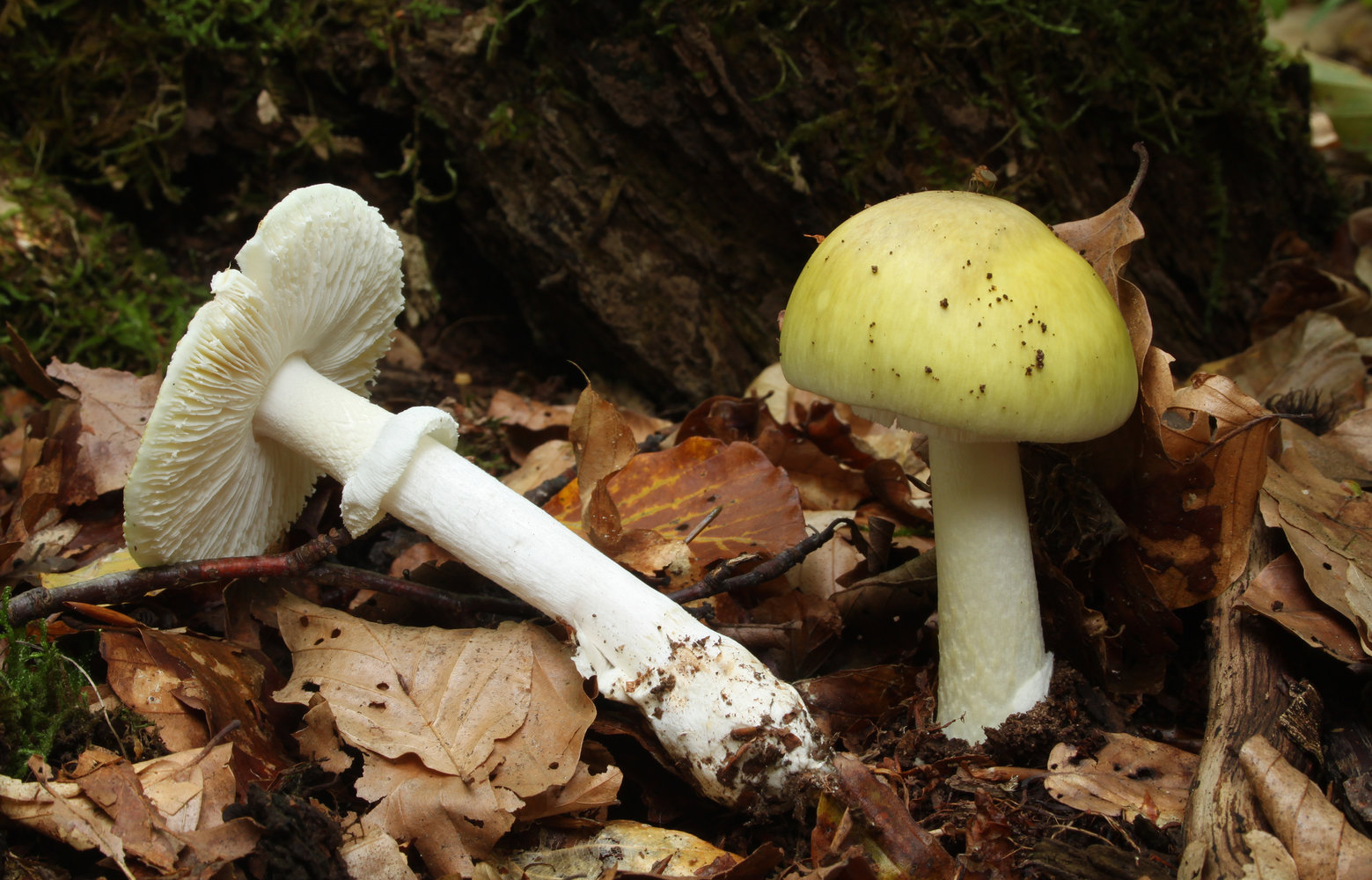
Amanita phalloides, also called the death cap mushroom, has a yellowish-green to dark olive cap that is 4–12 cm in diameter and a 6–12 cm long stem with a bulbous base. The death cap mushroom can be found in deciduous and mixed forests from July until October. The mushroom is among the most toxic and can lead to life-threatening liver and renal failure.
Source: “Grüner Knollenblätterpilz Amanita phalloides” by Hosper Krisp, Wikimedia Commons, licensed under CC BY 3.0.

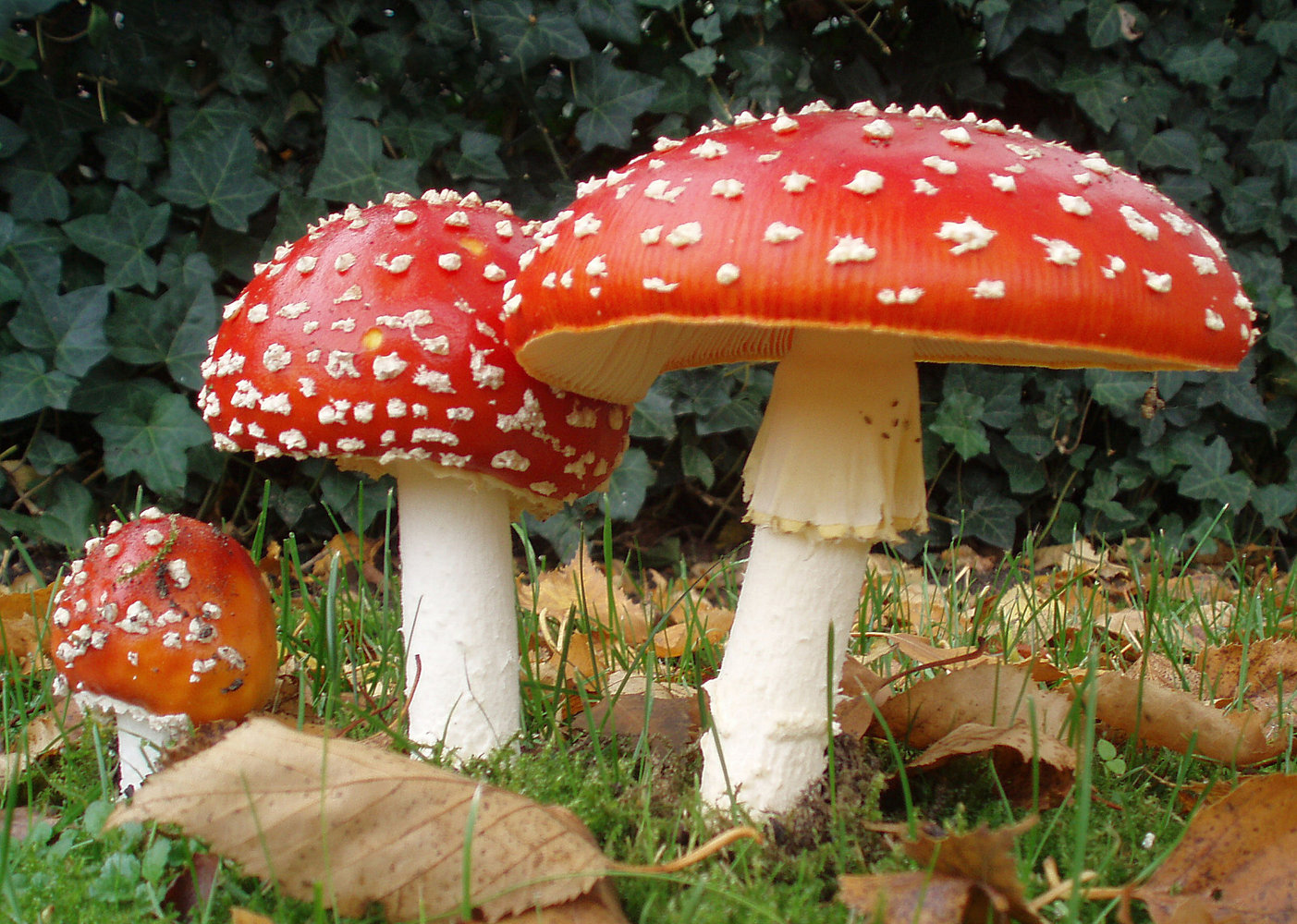
Amanita muscaria has a red to yellowish-orange cap with white dots that is 5–15 cm in diameter. Amanita muscaria typically grows from July through October in coniferous forests or below birches, particularly in mountainous areas. Intoxication with the fly agaric mushroom may lead to vomiting and diarrhea, anticholinergic symptoms (mydriasis, dry mouth, tachycardia), and euphoria with hallucinations. The lethal dose for adult humans is approx. ten mushrooms; below that threshold, management typically consists of supportive care.
Source: “2006-10-25 Amanita muscaria crop” by Onderwijsgek, Wikimedia Commons, licensed under CC BY-SA 3.0.

Plants
Atropa belladonna (belladonna or deadly nightshade)
General principles [4]
- Description: plant with toxic berries and leaves containing atropine (a tropane alkaloid)
- Pathophysiology: competitive inhibitor of muscarinic acetylcholine receptors (parasympathetic nervous system)


Clinical features [4]
A. belladonna poisoning primarily manifests as anticholinergic syndrome.
- Dry, red skin
- Fever, mydriasis
- Tachycardia
- Hallucinations, coma, seizures, delirium
- Urinary retention, absent bowel sounds
Features of anticholinergic syndrome can be remembered with: “Blind as a bat (cycloplegia and mydriasis), mad as a hatter (delirium and hallucinations), red as a beet (cutaneous vasodilation), hot as hell (hyperthermia), dry as a bone (anhidrosis and xerophthalmia), the bowel and bladder lose their tone (urinary retention and absent bowel sounds), and the heart runs alone (tachycardia).”
Diagnostics [4]
A. belladonna poisoning is a clinical diagnosis.
- ECG: to screen for QTc or QRS prolongation
- Glucose: to rule out hypoglycemia as a cause of seizures or altered mental status
- Creatine kinase: to evaluate for rhabdomyolysis associated with hyperthermia
- BMP: to evaluate for electrolyte abnormalities and measure renal function
Management [4]
- Follow the ABCDE approach for poisoning.
- Call the local Poison Control Center: In the US, the Poison Help line is 1-800-222-1222.
- Initiate supportive care in the poisoned patient, including treatment of hyperthermia.
- Begin phase-based acute seizure management if indicated.
- Administer benzodiazepines for agitation if indicated.
- If available, consider administering physostigmine for severe symptoms in consultation with a toxicologist.
- Disposition
- Severe poisoning (e.g., refractory symptoms): Admit to a monitored bed.
- Consider discharge for patients who are mildly symptomatic after 6–8 hours.
Other plants
- Oleander, foxglove, lily of the valley: See “Digoxin poisoning” and “Cardiac glycosides.”
- Poison ivy, poison oak, poison sumac: See “Allergic contact dermatitis.”
- Tobacco: See “Green tobacco sickness” and “Nicotine poisoning.”
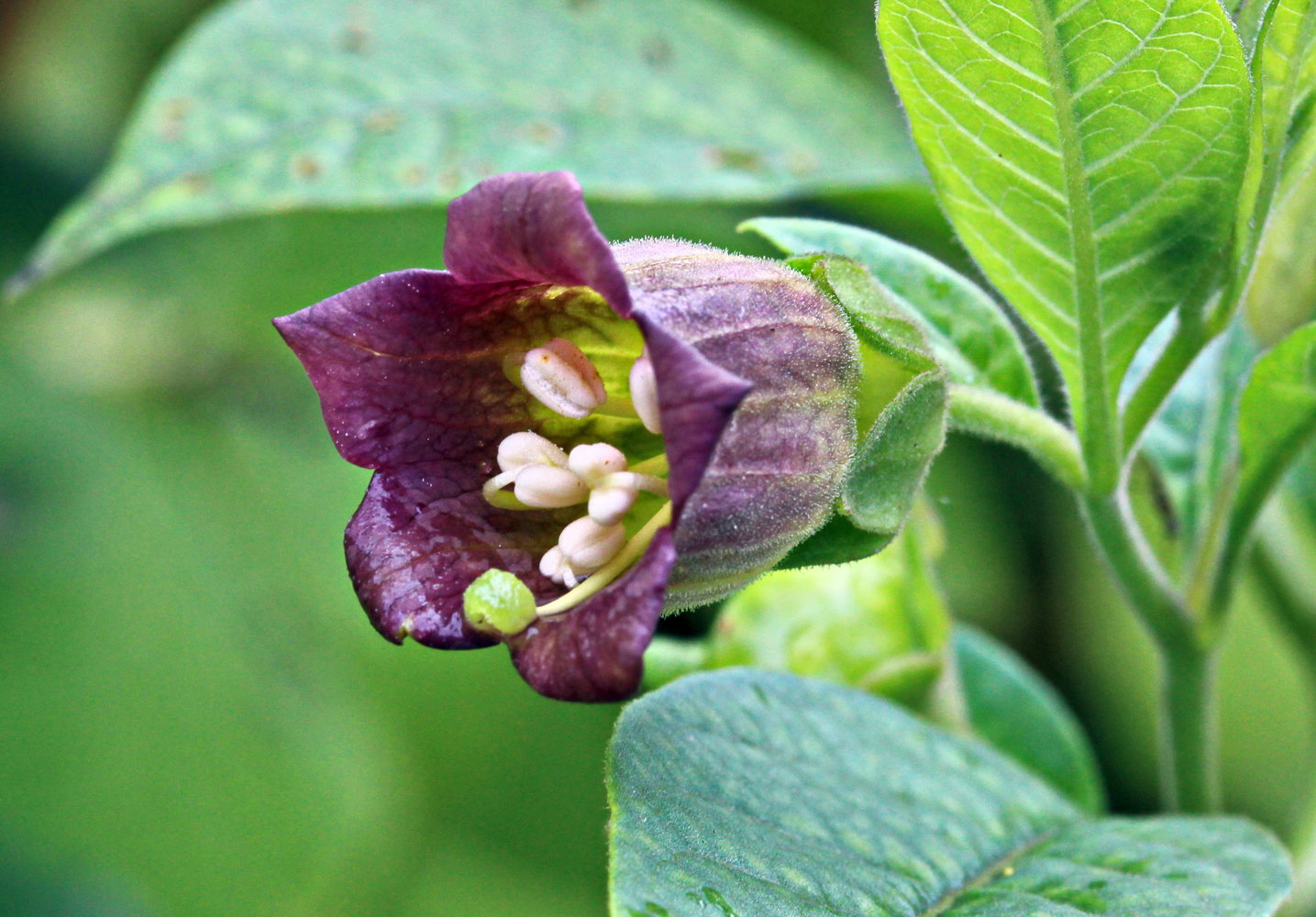
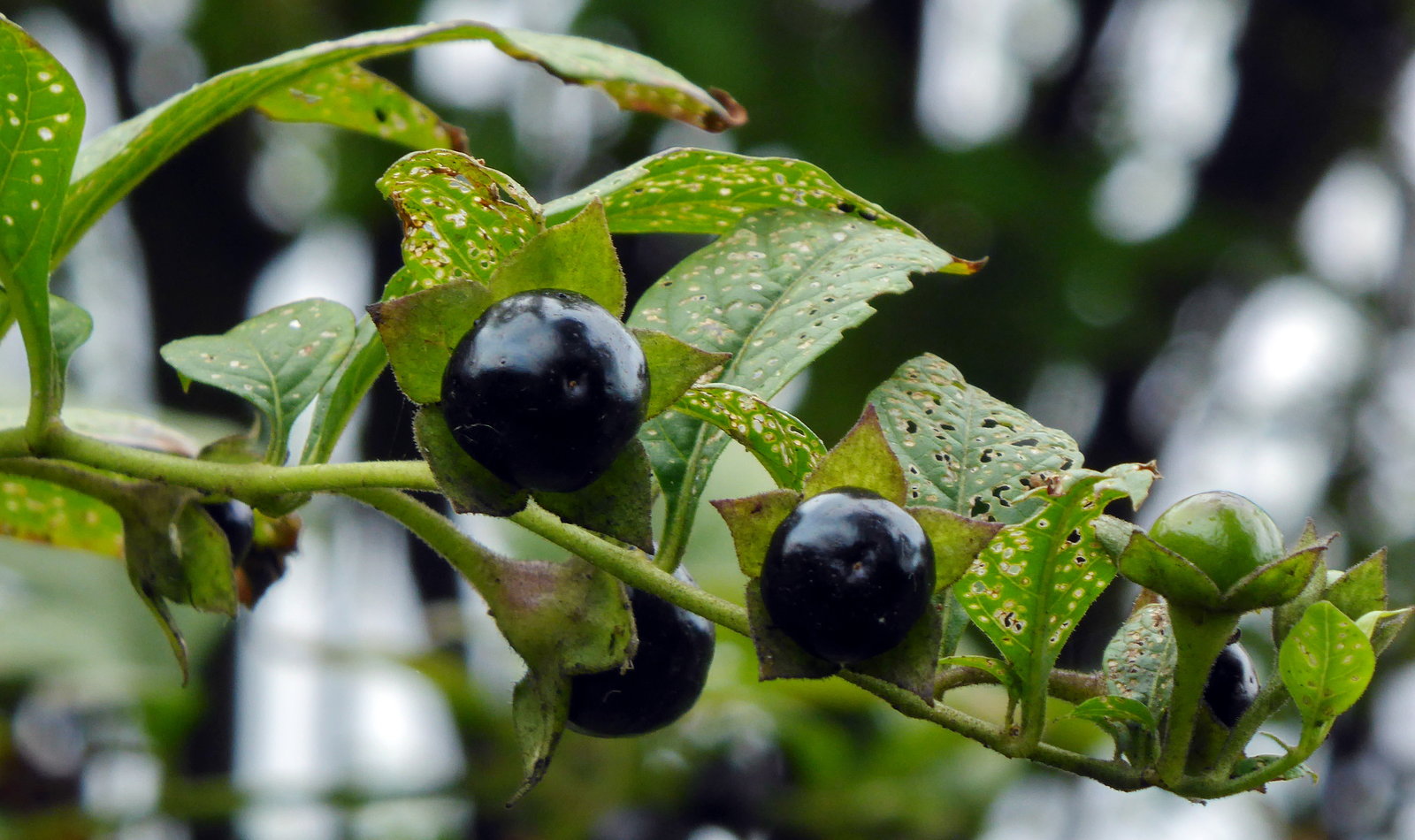
The herbaceous plant Atropa belladonna grows to 150 cm in height. The leaves have wooly trichomes (hairs), and the brownish-purple blossoms are bell-shaped. Atropa belladonna bears black, cherry-sized berries between June and August (berries may remain present until October). Poisoning with belladonna fruit or leaves leads to anticholinergic syndrome, with dry, reddened skin, fever, mydriasis, tachycardia, and delirium.
Source: “Schwarze Tollkirsche (Atropa belladonna) 01” by Puusterke, Wikimedia Commons, licensed under CC BY-SA 4.0.
_01.jpg)
The herbaceous plant Atropa belladonna grows to 150 cm in height. The leaves have wooly trichomes (hairs), and the brownish-purple blossoms are bell-shaped. Atropa belladonna bears black, cherry-sized berries between June and August (berries may remain present until October). Poisoning with belladonna fruit or leaves leads to anticholinergic syndrome, with dry, reddened skin, fever, mydriasis, tachycardia, and delirium.
Source: “Schwarze Tollkirsche (Atropa belladonna) 02” by Puusterke, Wikimedia Commons, licensed under CC BY 4.0.
_02.jpg)
Rodenticides
Rodenticides are a type of pesticide used to kill rodents (e.g., rats, mice); active ingredients vary. [36]
Strychnine [2][37][38]
- Pathophysiology: competitive inhibition of glycine binding → increased neuronal excitability → increased muscle activity
-
Clinical features
- Involuntary muscle contractions (mimics tetanus)
- Risus sardonicus
- Opisthotonus
- Hyperreflexia, clonus, nystagmus
- Hyperthermia
- Hypoventilation, hypoxia
-
Diagnostics: clinical diagnosis [2]
- Blood gas analysis: to assess for metabolic and/or respiratory acidosis
- BMP: to assess for metabolic acidosis, electrolyte abnormalities, and acute kidney injury
- CPK: to assess for rhabdomyolysis
- Lactate: may be elevated due to muscle contractions
-
Management
- Follow the ABCDE approach for poisoning.
- Manage the airway and prepare for rapid sequence intubation.
- Perform GI decontamination (e.g., with single-dose AC).
- Provide supportive care in the poisoned patient, e.g., manage hyperthermia.
- Call the local Poison Control Center: In the US, the Poison Help line is 1-800-222-1222.
- Treat muscle hyperactivity with benzodiazepines and/or barbiturates.
- Consider paralytics and mechanical ventilation if initial treatment does not control muscle hyperactivity.
- Admit to the ICU.
- Follow the ABCDE approach for poisoning.
Superwarfarins [4][39][40]
- Examples: bromadiolone, brodifacoum, difenacoum
- Pathophysiology: reduced vitamin K levels → coagulopathy
-
Clinical features
- May be asymptomatic for up to 72 hours
- Bleeding, e.g., gross hematuria, GI bleeding, intracranial hemorrhage
- Abdominal pain, flank pain
-
Diagnostics: clinical diagnosis
- PT/INR: may be normal until 48 hours after ingestion
- PTT: to screen for other causes of bleeding diathesis
- CBC: to evaluate for anemia and thrombocytopenia
- Type and screen: to prepare for potential transfusion
-
Management
- Follow the ABCDE approach for poisoning.
- Call the local Poison Control Center: In the US, the Poison Help line is 1-800-222-1222.
- Determine the toxicity of the ingestion in consultation with a toxicologist.
- Asymptomatic, nontoxic ingestions: Patients may be discharged; follow-up within 48–72 hours.
- Asymptomatic, toxic ingestions
- Consider single-dose AC if < 1 hour after ingestion.
- Initiate warfarin reversal as indicated.
- Admit the patient and repeat PT/INR within 48–72 hours.
- Symptomatic ingestions
- Consider single-dose AC if < 1 hour after ingestion.
- Initiate warfarin reversal as indicated.
- Consider emergency transfusion or massive transfusion as needed.
- Admit the patient for serial PT/INR and CBC.
Other rodenticides
- Arsenic: See “Arsenic poisoning.”
- Metal phosphides: See “Phosphine poisoning.” [36]
- Cholecalciferol: See “Hypervitaminosis D.”
References
- Walls R, Hockberger R, Gausche-Hill M, Erickson TB, Wilcox SR. "Rosen's Emergency Medicine 10th edition- Concepts and Clinical Practice E-Book". Elsevier Health Sciences. (2022). ISBN: 9780323757904
- Nelson LS, Howland M, Lewin NA, et al. "Goldfrank's Toxicologic Emergencies, 11th edition". McGraw-Hill Education. (2019). ISBN: 9781259859618
- Bertinelli A, Hamill J, Mahadevan M, Miles F. "Serious injuries from dishwasher powder ingestions in small children". J Paediatr Child Health. 42(3). :129-133. (2006)
- Bonney AG, Mazor S, Goldman RD. "Laundry detergent capsules and pediatric poisoning". Can Fam Physician. 59(12). :1295-6; e535-7. (2013)
- Day R, Bradberry S, Sandilands E, et al. "Toxicity of traditional and soluble film automatic dishwashing tablets". Hum Exp Toxicol. 39(4). :433-439. (2019)
- Hall AH, Jacquemin D, Henny D, et al. "Corrosive substances ingestion: a review". Crit Rev Toxicol. 49(8). :637-669. (2019)
- Chirica M, Bonavina L, Kelly MD, Sarfati E, Cattan P. "Caustic ingestion". Lancet. 389(10083). :2041-2052. (2017)
- Kamboj A, Spiller HA, Casavant MJ, et al. "Household cleaning product-related ocular exposures reported to the United States poison control centres". Eye. 34(9). :1631-1639. (2019)
- "Medical management guidelines for hydrogen cyanide". https://web.archive.org/web/20240925190859/https://wwwn.cdc.gov/TSP/MMG/MMGDetails.aspx?mmgid=1073&toxid=19. [2014-10-21]
- Reade MC, Davies SR, Morley PT, Dennett J, Jacobs IC. "Review article: Management of cyanide poisoning". Emerg Med Australas. 24(3). :225-238. (2012)
- Parker-Cote JL, Rizer J, Vakkalanka JP, Rege SV, Holstege CP. "Challenges in the diagnosis of acute cyanide poisoning". Clin Toxicol. 56(7). :609-617. (2018)
- Hendry-Hofer TB, Ng PC, Witeof AE, et al. "A Review on Ingested Cyanide: Risks, Clinical Presentation, Diagnostics, and Treatment Challenges". J Med Toxicol. 15(2). :128-133. (2018)
- "Sodium Nitrite". https://web.archive.org/web/20240610181925/https://www.accessdata.fda.gov/drugsatfda_docs/label/2017/203922s001lbl.pdf. [2017-10-01]
- Boley SP, Olives TD, Bangh SA, Fahrner S, Cole JB. "Physostigmine is superior to non-antidote therapy in the management of antimuscarinic delirium: a prospective study from a regional poison center". Clin Toxicol. 57(1). :50-55. (2018)
- Günther T, Dasgupta P, Mann A, et al. "Targeting multiple opioid receptors – improved analgesics with reduced side effects?". Br J Pharmacol. 175(14). :2857-2868. (2017)
- Yee J, Kaide C. "Emergency Reversal of Anticoagulation". West J Emerg Med. 20(5). :770-783. (2019)
- McBride L, Wang J, Ho P, Langsford D. "Dabigatran Toxicity in Acute Kidney Injury: Hemodialysis and Idarucizumab Required". Kidney Int Rep. 4(3). :500-504. (2019)
- Oduah E, Linhardt R, Sharfstein S. "Heparin: Past, Present, and Future". Pharmaceuticals. 9(3). :38. (2016)
- Yaghi S, Willey JZ, Cucchiara B, et al. "Treatment and Outcome of Hemorrhagic Transformation After Intravenous Alteplase in Acute Ischemic Stroke: A Scientific Statement for Healthcare Professionals From the American Heart Association/American Stroke Association". Stroke. 48(12). (2017)
- Thanacoody HKR, Thomas SHL. "Tricyclic Antidepressant Poisoning". Toxicol Rev. 24(3). :205-214. (2005)
- Kraut JA, Mullins ME. "Toxic Alcohols". N Engl J Med. 378(3). :270-280. (2018)
- "Arsenic Toxicity - How Should Patients Overexposed to Arsenic Be Treated and Managed?". https://web.archive.org/web/20171208184904/https://www.atsdr.cdc.gov/csem/csem.asp?csem=1&po=13. [2010-01-15]
- "Arsenic Toxicity - Clinical Assessment". https://web.archive.org/web/20171208184857/https://www.atsdr.cdc.gov/csem/csem.asp?csem=1&po=12. [2010-01-15]
- Ratnaike RN. "Acute and chronic arsenic toxicity.". Postgrad Med J. 79(933). :391-6. (2003)
- Pearce JMS. "Burton’s line in lead poisoning". Eur Neurol. 57(2). :118-119. (2006)
- Rose JJ, Wang L, Xu Q, et al. "Carbon Monoxide Poisoning: Pathogenesis, Management, and Future Directions of Therapy". Am J Respir Crit Care Med. 195(5). :596-606. (2017)
- Cefalu JN, Joshi TV, Spalitta MJ, et al. "Methemoglobinemia in the Operating Room and Intensive Care Unit: Early Recognition, Pathophysiology, and Management". Adv Ther. 37(5). :1714-1723. (2020)
- Garcia J, Costa VM, Carvalho A, et al. "Amanita phalloides poisoning: Mechanisms of toxicity and treatment". Food Chem Toxicol. 86. :41-55. (2015)
- Shingina A, Mukhtar N, Wakim-Fleming J, et al. "Acute Liver Failure Guidelines". Am J Gastroenterol. 118(7). :1128-1153. (2023)
- Joanne Taylor, Stacy Holzbauer, Danushka Wanduragala, et al. "Notes from the Field: Acute Intoxications from Consumption of Amanita muscaria Mushrooms — Minnesota, 2018". MMWR Morb Mortal Wkly Rep. 68(21). :483-484. (2019)
- Moss MJ, Hendrickson RG. "Toxicity of muscimol and ibotenic acid containing mushrooms reported to a regional poison control center from 2002–2016". Clin Toxicol. 57(2). :99-103. (2018)
- Maung AC, Hennessey M, Kadiyala R. "Accidental colourful mushroom poisoning – delirium, delusions and dreams". Clin Med (Northfield Il). 23(4). :417-419. (2023)
- Rampolli FI, Kamler P, Carnevale Carlino C, Bedussi F. "The Deceptive Mushroom: Accidental Amanita muscaria Poisoning". Eur J Case Rep Intern Med. 8(3). :002212. (2021)
- Lagrange E, Vernoux JP. "Warning on False or True Morels and Button Mushrooms with Potential Toxicity Linked to Hydrazinic Toxins: An Update". Toxins. 12(8). :482. (2020)
- Leathem AM, Dorran TJ. "Poisoning due to raw Gyromitra esculenta (false morels) west of the Rockies". CJEM. 9(02). :127-130. (2007)
- "Rodenticides". https://web.archive.org/web/20240614192507/http://npic.orst.edu/factsheets/rodenticides.html. [2016-03-01]
- Wood DM, Webster E, Martinez D, Dargan PI, Jones AL. "Case report: Survival after deliberate strychnine self-poisoning, with toxicokinetic data". Crit Care. 6(5). (2002)
- Smith BA. "Strychnine poisoning". J Emerg Med. 8(3). :321-325. (1990)
- Caravati EM, Erdman AR, Scharman EJ, et al. "Long-acting anticoagulant rodenticide poisoning: An evidence-based consensus guideline for out-of-hospital management". Clin Toxicol. 45(1). :1-22. (2007)
- Chong YK, Mai TWL. "Superwarfarin (Long-Acting Anti-coagulant Rodenticides) Poisoning: from Pathophysiology to Laboratory-Guided Clinical Management". Clin Biochem Rev. 40(4). :175-185. (2019)
- Ralston NV, Raymond LJ.. "Dietary selenium's protective effects against methylmercury toxicity.". Toxicology. (2010)
- Lisa M. Gaetke, Hannah S. Chow-Johnson, and Ching K. Chow. "Copper: Toxicological relevance and mechanisms". Archives of Toxicology. (2015)
- Umair M, Javed I, Rehman M, et al. "Nanotoxicity of Inert Materials: The Case of Gold, Silver and Iron.". Journal of Pharmacy and Pharmaceutical Sciences. (2016)
- Lawson-Smith P, Jansen EC, Hyldegaard O. "Cyanide intoxication as part of smoke inhalation - a review on diagnosis and treatment from the emergency perspective". Scandinavian Journal of Trauma, Resuscitation and Emergency Medicine. 19(1). :14. (2011)
- Vanden Hoek TL, Morrison LJ, Shuster M, et al. "Part 12: Cardiac Arrest in Special Situations: 2010 American Heart Association Guidelines for Cardiopulmonary Resuscitation and Emergency Cardiovascular Care". Circulation. 122(18_suppl_3). :S829-S861. (2010)
- ISBI Practice Guidelines Committee, Ahuja RB, Gibran N, et al. "ISBI Practice Guidelines for Burn Care". Burns. 42(5). :953-1021. (2016)