Summary
The purpose of a preoperative evaluation is to assess whether a patient is medically optimized for the stress of surgery and to identify reversible factors that may increase the perioperative risk for the patient. Important components of the preoperative evaluation are a thorough history and physical examination, identification of patients at greatest risk of a perioperative adverse event, and appropriate diagnostic testing. Preoperative preparation enhances surgical outcomes by improving the patient's functional status, mitigating identified risk factors, and optimizing perioperative medication regimens. This includes optimization of medical treatment, specialty consultation for advanced disease management, patient education on lifestyle modifications, and instruction on day-of-surgery oral intake and medication use. The extent of patient evaluation and preparation varies according to both the proposed surgery and the patient's functional status. Low-risk patients having low-risk surgery seldom need testing or intervention, while patients with a high disease burden having high-risk surgery often require extensive testing, consultation, and possible postponement of surgery. Patients having emergent surgery still require evaluation even though opportunities for management beyond resuscitation are typically limited.
See also “Postoperative management.”
Overview
A preoperative evaluation is performed to determine whether a patient is in optimal health for a planned surgical procedure and its extent depends on the urgency of the surgery.
Approach [1][2][3]
The following applies primarily to patients having elective surgery. See “Emergency preoperative evaluation” for patients needing emergency surgery.
- Confirm the surgical procedure and indication for surgery.
- Evaluate surgical procedural risk based on surgery type and urgency.
-
Evaluate the patient's health and individual risk of perioperative complications. [1]
- Perform a preoperative clinical evaluation with a complete history and physical examination.
- Assess preoperative functional capacity.
- Use validated preoperative risk stratification tools, e.g., ASA-PS, RCRI, to improve perioperative risk estimation.
- Order preoperative diagnostic testing based on combined estimated perioperative risk.
- Consider more focused evaluation and management of high-risk systems (e.g., see “Preoperative cardiac assessment”).
- Make recommendations to the surgical team, for example:
- Proceed with surgery if the patient's comorbidities are optimally treated.
- Optimize treatment of comorbidities if necessary.
- Order advanced testing or specialty consultation if underlying health concerns are unclear or complex.
- Consider delaying surgery if diagnostics and/or treatment are expected to influence perioperative risk.
- Coordinate perioperative preparation steps (e.g., perioperative antibiotic prophylaxis, fasting, preoperative medication management).
Evaluate the procedural risk and the patient's health and functional capacity in order to: decide whether to proceed with surgery without delay, obtain further testing and/or specialist consultation, or consider delaying or canceling the procedure. [1][2]
Multidisciplinary team roles
-
Medical practitioner [1][2]
- Determines if the patient is medically optimized for the surgical procedure
- Initiates measures to optimize the patient's health if necessary
- Alerts the perioperative team to special health concerns and abnormal test results
-
Surgeon
- Obtains consent
- Informed consent is required prior to all elective procedures.
- Surgical consent requires assessment and communication of perioperative risk to the patient (i.e., shared decision-making). [4]
- Determines if surgery can be delayed for further optimization [5][6][7]
- Obtains consent
- Anesthesiologist: chooses the appropriate anesthetic technique based on patient health and procedural requirements
Emergency preoperative evaluation [8][9]
Patients who need emergency surgery often require simultaneous resuscitation and assessment (e.g., via an ABCDE approach).
- Focus the clinical evaluation on conditions associated with high morbidity.
- Order diagnostic testing that reflects the dual roles of assessment and resuscitation, including:
- CBC and CMP
- ABG and lactate
- ECG if ASCVD risk factors are present
- Coagulation panel, type and screen, and crossmatch if active or anticipated bleeding or suspected coagulopathy.
- Notify members of the perioperative team (e.g., surgery, anesthesiology, ICU) of urgent findings.
Preoperative evaluation of a patient having emergency surgery includes assessing the adequacy of ongoing resuscitation. Continuous reassessment of critical organ function (e.g., tissue perfusion, oxygenation, coagulation) may be necessary.
Evaluating surgical procedural risk
Procedures associated with a > 1% risk of a perioperative major adverse event require more intense preoperative evaluation than lower-risk procedures. [10]
Type of surgical procedure
Morbidity and mortality are associated with the duration of surgery, the anatomical site of surgery, the effect of the surgery on organ perfusion during the procedure, and blood loss. [1][11]
| Perioperative mortality by type of surgery [12][13] | |
|---|---|
| Risk | Examples |
| Low (< 1%) |
|
| Intermediate (1–5%) |
|
| High (> 5%) |
|
Urgency of the surgery
The risk of perioperative morbidity and mortality increases as the urgency of the surgery increases and the time available for clinical evaluation and medical intervention decreases. [1][10][14]
-
Emergency surgery
- Timing: performed as soon as possible due to threat to life or limb.
- Perioperative mortality: 3.7% at 30 days
-
Urgent surgery
- Timing: performed within 24–48 hours due to threat to life or limb
- Perioperative mortality: 2.3% at 30 days
-
Time-sensitive surgery (e.g., oncologic surgeries)
- Timing: performed within 1–6 weeks to avoid negative outcomes
-
Elective surgery
- Timing: performed within 12 months
- Perioperative mortality: 0.4% at 30 days
Evaluating patient health
Goals [15]
- Assess whether current acute and chronic illnesses are being optimally managed.
- Begin treatment of untreated or undertreated medical conditions.
- Identify high-risk patients who may benefit from:
- Advanced diagnostic testing
- Medical specialist referral
- Delay in surgery
- Higher levels of postoperative care, e.g., ICU admission
Red flags on the preoperative clinical evaluation
A complete medical history and thorough physical examination are performed in all patients having a preoperative evaluation. Special attention should be paid to red flags for conditions that may increase perioperative risk.
| Preoperative clinical red flags [1][16] | ||
|---|---|---|
| System | History | Physical findings |
| General |
|
|
| Cardiac |
|
|
| Pulmonary |
|
|
| Hematologic |
|
|
| Endocrine |
|
|
| Gastrointestinal |
|
|
| Neurological |
|
|
Preoperative functional capacity assessment [10][15][17][18]
Limited functional capacity is associated with an increased risk of perioperative morbidity and mortality. Several techniques are available to estimate functional capacity. [1][19]
-
Subjective patient reporting of exercise capacity [10][19][20]
- Technique: The patient's subjective report of attainable activity is reported in the metabolic equivalents (METs) associated historically with that activity.
-
Activities associated with ≥ 4 METs
- Climbing a flight of stairs
- Walking up a hill
- Performing strenuous household tasks
-
Activities associated with < 4 METs
- Walking at 2–3 mph
- Golfing with a cart
- Slow ballroom dancing
-
Activities associated with ≥ 4 METs
- Findings: Exercise capacity of < 4 METs is associated with increased risk of perioperative complication
- Technique: The patient's subjective report of attainable activity is reported in the metabolic equivalents (METs) associated historically with that activity.
-
Duke Activity Status Index (DASI) [17][20]
- Description: a validated, self-administered questionnaire that assesses the patient's functional capacity [21]
- Technique: A 16 item questionnaire completed by the patient results in a score of 0–58
- Findings: A DASI score ≤ 34 predicts an increased risk of major perioperative adverse events.
-
Cardiopulmonary exercise testing (CPET) [22]
- Technique: Laboratory measurement of the patient's maximum VO2 during exercise
- Findings: No clear threshold for increased perioperative risk has been established using CPET data.
A patient who cannot achieve and maintain 4 METs is at an increased risk for perioperative complications. Additional evaluation may be warranted. [10]
A DASI score ≤ 34 consistently predicts an increased risk of major perioperative adverse events. [20]
Risk stratification tools
Validated risk stratification tools identify which patients may benefit from medical intervention, preoperative diagnostic testing, and/or consultation prior to intermediate or high-risk surgery. The derived scores from these tools also allow quick communication about patient risk between perioperative team members.
The American Society of Anesthesiologists (ASA) classification [15][23]
- Description: classification based on subjective reporting of the severity of the patient's comorbid disease
- Clinical application: all perioperative patients
- Key finding: An ASA status ≥ 3 is associated with ≥ 1% perioperative risk of mortality; the patient may be considered at high risk.
| American Society of Anesthesiologists physical status classification system (ASA-PS) [23][24] | ||
|---|---|---|
| ASA status | Definition | Thirty-day mortality [25] |
| I |
|
< 0.1% |
| II |
|
< 1% |
| III |
|
1–2% |
| IV |
|
∼ 10% |
| V |
|
> 50% |
| VI |
|
N/A |
| E |
|
|

Revised cardiac risk index (RCRI) [26][27]
- Description: a simple calculation using 6 easily obtained factors to predict the risk of major adverse cardiac events (MACE) during hospitalization following noncardiac surgery
-
Clinical applications
- Screening for all patients undergoing major surgery to determine the risk of MACE
- Determining the need and priority of cardiac testing in patients with known CAD or ASCVD risk factors (See “Preoperative cardiac assessment.")
- Key finding: An RCRI ≥ 2 is associated with > 1% chance of MACE; the patient may be considered at high risk.
| Revised cardiac risk index (RCRI) [26] | |
|---|---|
| Category | Risk factors |
| Patient-related |
|
| Procedure-related |
|
Interpretation
| |
National Surgical Quality Improvement Program (NSQIP) surgical risk calculator [10][28]
- Description: web-based patient and surgery-specific risk calculator developed by the American College of Surgeons (ACS)
- Key finding: reports predicted risk for 11 individual perioperative complications, including death and MACE
Myocardial infarction and cardiac arrest (MICA) risk calculator [10][29]
- Description: calculator using 5 patient-related inputs (including ASA status) and procedure site
- Key finding: estimated risk of 30-day mortality; greater predictive power than RCRI but requires more time to calculate
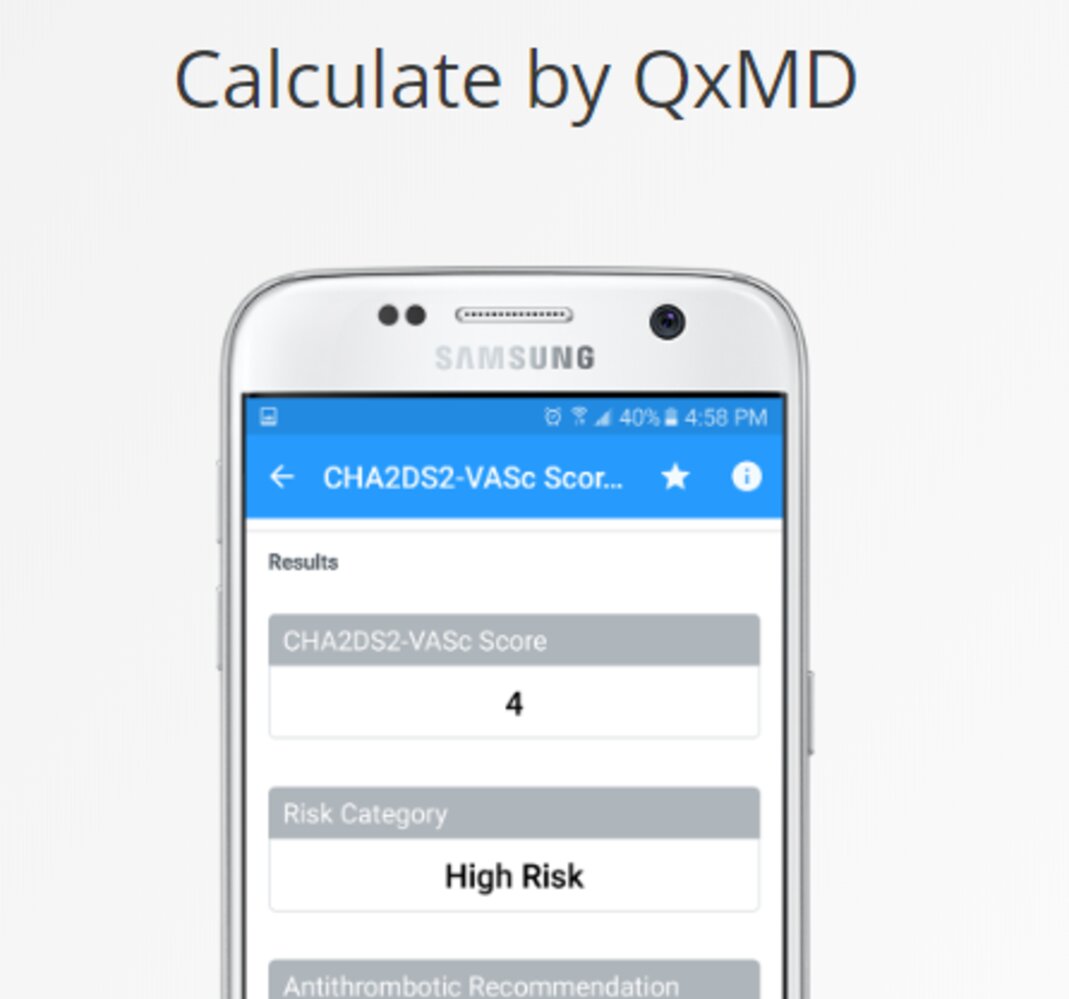
This calculator is provided by the third-party QXMD, who is solely responsible for its content and functionality.
Created by: QxMD.
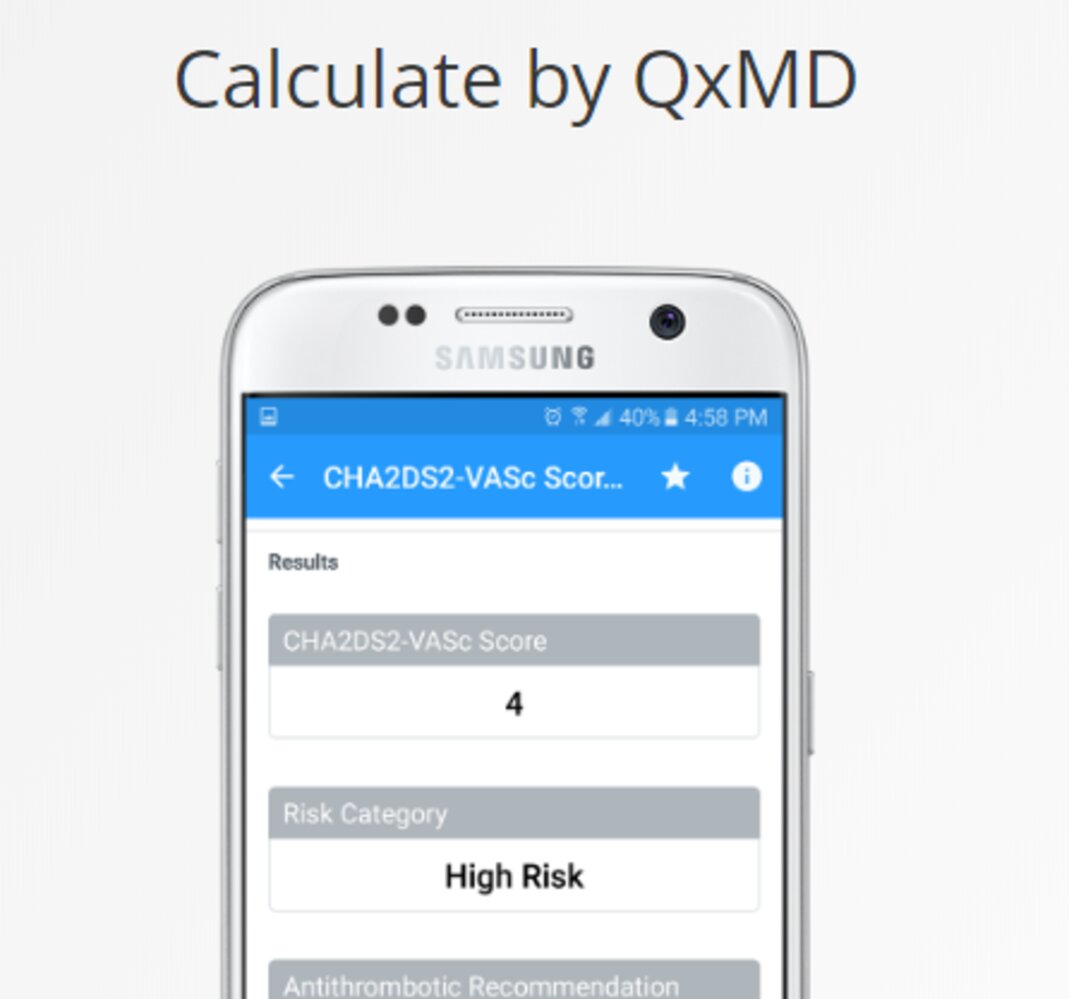
This calculator is provided by the third-party QXMD, who is solely responsible for its content and functionality.
Created by: QxMD.
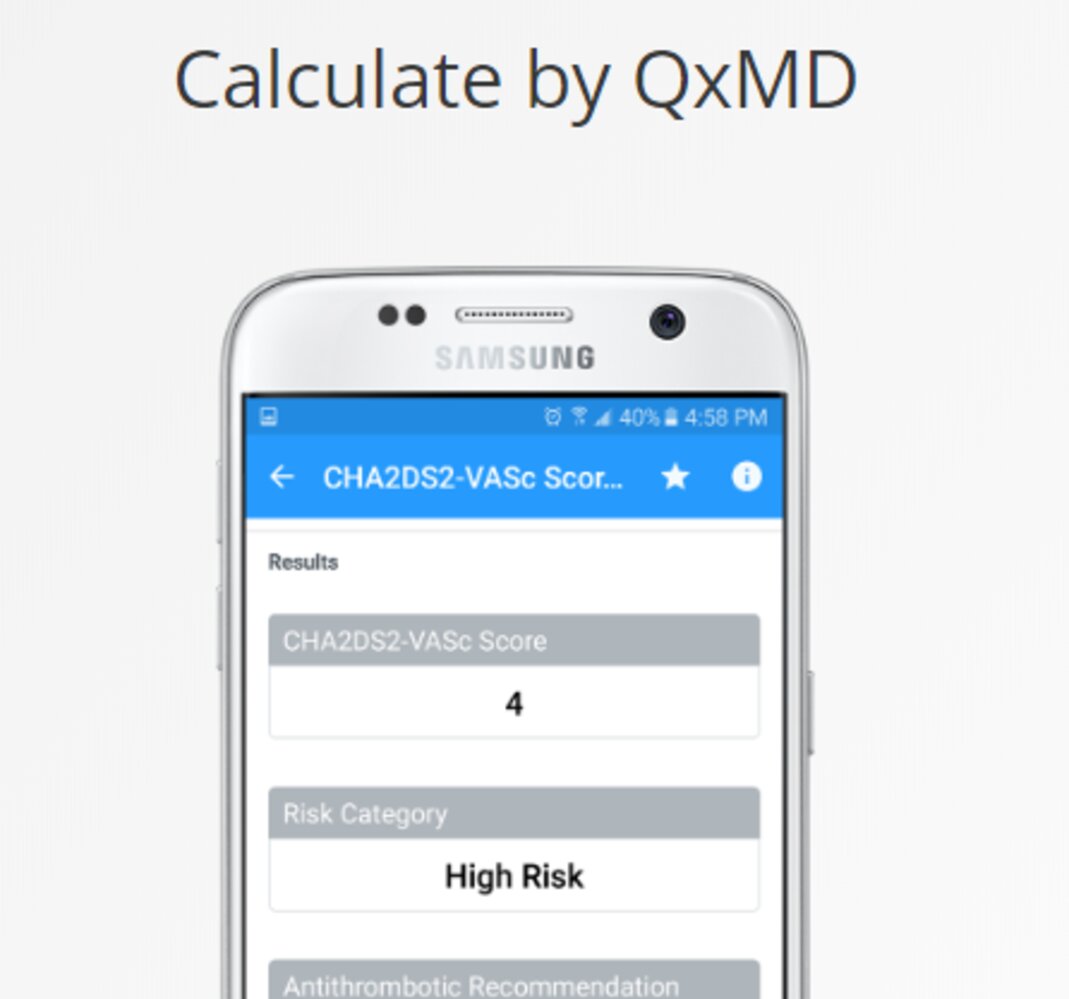
This calculator is provided by the third-party QXMD, who is solely responsible for its content and functionality.
Created by: QxMD.
Diagnosis
Approach [1][8][16]
-
Low-risk surgery
- Low-risk patients: Generally, no routine diagnostic testing is required.
- High-risk patients: Consider testing as required for the routine management of chronic conditions.
-
High- or intermediate-risk surgery
- All patients: See “Preoperative testing for intermediate- or high-risk surgery” for specific indications.
- High-risk patients: Consider additional specialist consultation and advanced testing based on individual factors.
Order diagnostic testing based on the combined risk derived from surgical procedural risk evaluation, preoperative clinical evaluation, and preoperative risk stratification tools. Avoid broad, nondirected testing. [2]
Investigations for intermediate- or high-risk surgery
- Selective testing based on individual indications is preferred. [30]
- More specialized testing may be indicated depending on the presence and severity of conditions identified during the preoperative clinical evaluation and risk stratification; see, e.g., “Preoperative cardiac assessment” and “Preoperative pulmonary assessment.”
| Preoperative testing for intermediate- or high-risk surgery [1][8][16] | |
|---|---|
| Study | Indication |
| Hemoglobin |
|
| Platelet count |
|
| Basic metabolic panel |
|
| Fasting glucose and hemoglobin A1c |
|
| Liver function tests (LFTs) |
|
| Coagulation studies |
|
| Blood grouping and crossmatching |
|
| Urinalysis |
|
| Pregnancy test |
|
| ECG [10] |
|
| CXR [10] |
|
If the preoperative evaluation reveals a previously undiagnosed or undertreated medical condition, further investigation and treatment should be initiated prior to elective surgery if possible.
Cardiac evaluation and management
Coronary artery disease (CAD)
Management approach for known or suspected CAD [10]
- If surgery is emergent: Proceed directly to surgery but identify risk factors that affect perioperative management.
- If clinical features of acute coronary syndrome are present: Consult cardiology, begin ACS management, and discuss surgical timing with the multidisciplinary team.
-
For all other patients: Calculate the risk of a major adverse cardiac event.
- Risk of MACE < 1% (e.g., RCRI ≤ 1): Proceed to surgery without further testing.
-
Risk of MACE ≥ 1% (e.g., RCRI ≥ 2): Assess functional capacity.
- Functional capacity ≥ 4 METs: Proceed to surgery without further testing.
- Functional capacity < 4 METs or unknown: Consider stress testing. [10][32]
Advanced testing for CAD [10][27][32]
Preoperative stress testing, CT coronary angiography, and coronary angiography in asymptomatic individuals remain controversial. [32][33]
-
Cardiac stress testing: reasonable in patients with an elevated risk of MACE and reduced functional capacity
- Patient is unable to exercise: pharmacological stress test (e.g., dobutamine stress echocardiography, radionuclide myocardial perfusion imaging with dipyridamole, adenosine, or regadenoson)
- Patient is able to exercise: exercise stress test (e.g., exercise stress echocardiography)
- Angiography: not routinely recommended in patients with stable CAD (See “Revascularization for stable CAD.”) [2]
- Biomarkers: BNP and NT-proBNP screening are increasingly used to assess perioperative risk and guide the management of patients with known cardiovascular disease. > 300 pg/mL [33][34]
In asymptomatic patients, perform advanced cardiac testing only when results will affect the decision to operate or the perioperative management.
Elective surgery after coronary angioplasty [35][36]
Discontinuation of P2Y12 receptor blockers (and sometimes aspirin) may be required before surgery. In patients with a cardiac stent, the risks of stent thrombosis must be balanced against the risk of bleeding or delaying surgery.
- Balloon angioplasty (no stent): Delay elective surgery for two weeks.
- Bare metal stent: Delay elective surgery for 30 days.
- Drug-eluting stent: Delay elective surgery for six months postplacement if possible.
In patients with a coronary stent, discuss holding aspirin perioperatively with the surgeon; discontinuation is often not required.
Other conditions
-
Congestive heart failure [10][12]
- Obtain an echocardiogram if there are new or progressive symptoms (e.g., worsening dyspnea, chest pain, syncope).
- Consider an echocardiogram in stable patients if it has been > 12 months since the last one.
- Consider measuring BNP or NT-proBNP if cardiac dysfunction is known or suspected.
- Consider delaying intermediate- or high-risk surgery if there is newly diagnosed heart failure to allow improvement in ventricular function.
-
Presence of a cardiac implantable electronic device (CIED) [37][38]
- Communicate with the CIED team to determine the type and functional status of the device.
- Document whether the patient is pacemaker dependent. [37]
- Document the default CIED function if a magnet is applied.
-
Valvular disease: Obtain an echocardiogram if symptoms are progressive or it has been > 12 months since the last echocardiogram. [10][39]
- Severe aortic stenosis: Consider aortic valve replacement (open or TAVI) prior to noncardiac surgery.
- Severe mitral stenosis: Consider percutaneous mitral commissurotomy if the patient is symptomatic or pulmonary artery pressure is > 50 mm Hg.
- Aortic or mitral regurgitation: Treatment is generally not required prior to surgery.
- Pulmonary hypertension: Consult a pulmonary hypertension specialist for possible optimization prior to intermediate- or high-risk surgery. [10]
Pulmonary evaluation and management
General principles
- The preoperative evaluation of pulmonary disease is primarily clinical.
- Assess for risk factors for postoperative pulmonary complications.
- Pulmonary function testing is only necessary in select cases.
Disease-specific interventions
-
Acute respiratory tract infection [2][40][41]
- An acute infection increases the risk of perioperative pulmonary and airway complications.
- Consider delaying surgery to treat the infection.
-
Obstructive sleep apnea (OSA) [42][43]
- Screen all patients for OSA using a validated tool, e.g., STOP-BANG.
- Evaluate and document CPAP and BIPAP use.
- Optimize treatment of moderate to severe OSA that is untreated or undertreated. [43]
-
Chronic pulmonary disease (e.g., asthma, COPD) [1][43]
- Stable pulmonary disease and adequate oxygenation: Further testing is typically not necessary.
- Unstable pulmonary disease, impaired oxygenation or ventilation: Consider delaying surgery to allow for further assessment and treatment.
-
Advanced COPD [1][44]
- Routine pulmonary function tests are obtained prior to lung reduction surgery.
- Cardiopulmonary exercise testing may be considered if pulmonary function testing is equivocal.
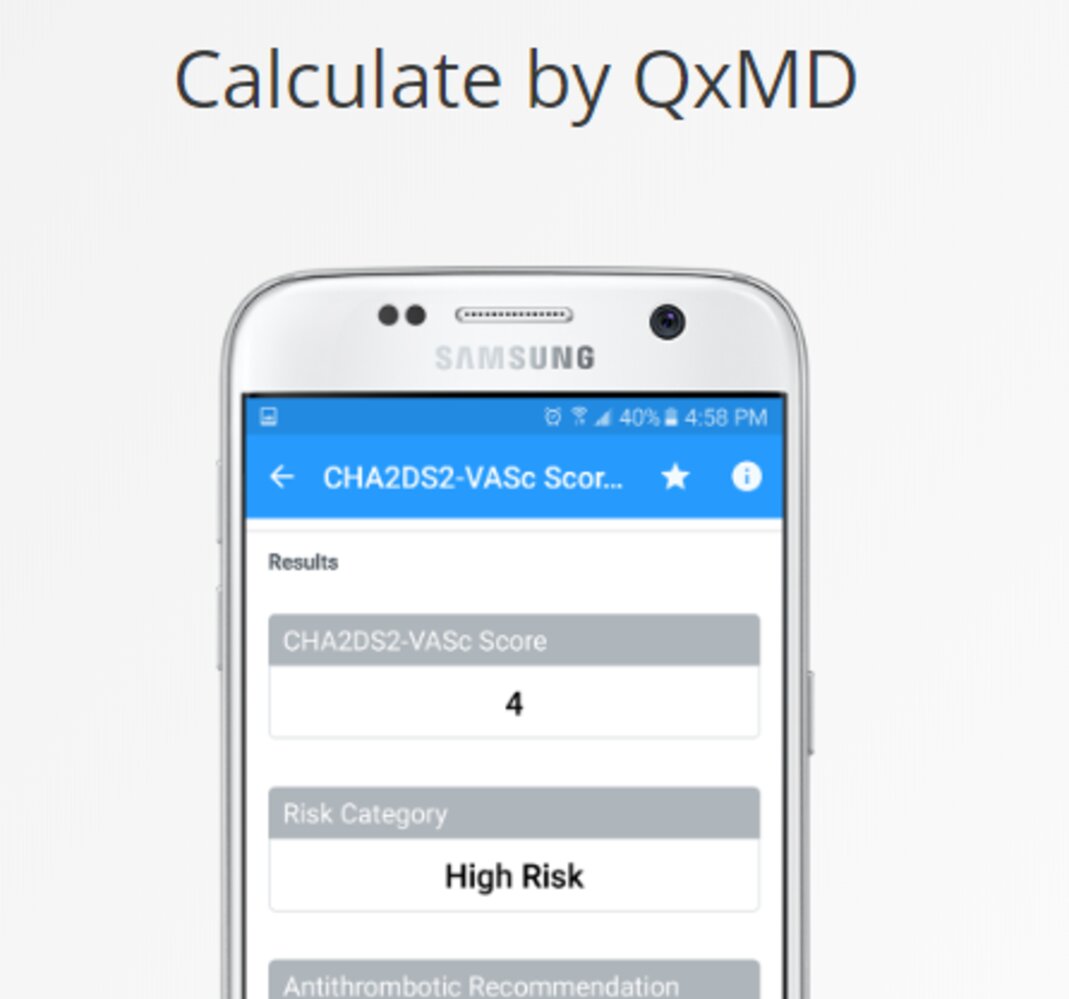
This calculator is provided by the third-party QXMD, who is solely responsible for its content and functionality.
Created by: QxMD.
Evaluation and management of other systems
Malnourishment [45][46][47]
- Preoperative nutrition screening is recommended for all patients undergoing major surgery.
-
Consult a dietitian for formal dietary assessment if any of the following are present:
- BMI < 18.5 kg/m2
- Unplanned weight loss > 10% of body weight in the last 6 months
- Decrease in dietary intake of > 50% in the last week
- Serum albumin < 3 g/dL
- Obvious muscle wasting, loss of subcutaneous fat, or reduced ability to perform activities of daily living [47]
- Provide specialized nutritional support (preferably enteral nutrition) to at-risk patients prior to surgery to optimize their nutritional status.
Malnutrition is associated with a higher risk of postoperative mortality and morbidity, e.g., infectious complications and ICU admission. Arrange formal dietary assessment for all patients with risk factors or signs of malnutrition on screening. [45][48][49]
Hepatic disorders [1][50][51]
- Acute hepatitis: Delay elective surgery until there is documented improvement in LFTs.
-
Chronic liver disease: Calculate the MELD score or Child class for the liver disease.
- MELD score < 15 or Child class A and B: Optimize encephalopathy, coagulopathy, and ascites prior to surgery.
- MELD score ≥ 15: May require liver transplantation prior to elective surgery for optimal outcomes
- MELD score > 20 or Child class C: Delay nonurgent surgery until the Child or MELD score improves.
Hematologic disorders [2]
-
Venous thromboembolism (VTE)
- Assess all patients for risk factors for VTE. [52]
- Recommend appropriate VTE prophylaxis based on bleeding risk and risk of thrombosis.
- Bleeding disorders: Optimize in consultation with the managing hematologist.
-
Anemia [53][54]
- Obtain iron studies in patients with anemia if planned surgery is associated with significant blood loss.
- Consider delaying elective surgery to correct anemia with a treatable cause (e.g., iron therapy for iron deficiency anemia). [54]
- Sickle cell anemia: Optimize in consultation with the managing hematologist. [55][56]
Endocrine disorders
-
Diabetes
- Consider delay if current HbA1c is 8–9%. > 8% [57]
- Investigate and document associated complications, including gastroparesis, nephropathy, and neuropathy. [2]
-
Chronic glucocorticoid use
- Document the dosage and duration of glucocorticoid administration.
- Consider optimizing steroid stress dosing if indicated. [2]
Neurological disorders
- Stroke: Consider delay if surgery is planned < 9 months after CVA. [58][59]
-
Cognitive impairment [1][60][61]
- Cognitive impairment is a risk factor for postoperative delirium and is associated with increased perioperative morbidity and mortality. [62]
- Screen older adults at risk for dementia with a standardized tool, e.g., Mini-Cog. [61]
- Recommend consultation or perioperative comanagement with internal medicine or geriatrics specialists for delirium management.
Renal disorders
General principles [63][64]
- Patients with chronic kidney disease (CKD) are at increased risk of acute kidney injury (AKI) following surgery.
- Complications of CKD can impact postoperative recovery.
Management of CKD [63][64]
- Consider consulting nephrology to help optimize pre-operative kidney functioning.
- Check preoperative kidney function with eGFR approx. one month before surgery. [65]
- Treat associated hypertension (see “Management of ASCVD risk factors in CKD”). [65]
- Patients on renal replacement therapy
- Patients on hemodialysis: Perform dialysis on the day of surgery if possible. [66]
- Patients on peritoneal dialysis
- Additional preoperative dialysis may be recommended.
- Patients having intraabdominal surgery may temporarily require hemodialysis. [67]
- Coordinate care with specialists for the following:
- Preoperative cardiac assessment [65]
- Perioperative bleeding risk assessment and anticoagulation management [65]
- Anemia of CKD [65]
- Indications for pRBC transfusion [68]
- Continuation of the patient's renal replacement therapy schedule [65]
Prevention of postoperative AKI [63][64]
- Consider using a risk-stratification tool to screen patients for risk of postoperative AKI.
- AKI risk after surgery score [69]
- Dialysis Risk After Cardiac Surgery Score (Cleveland Clinic Score)
- Optimize kidney perfusion for patients at risk of perioperative hypotension (e.g., shock). [63][70]
- Perform a clinical evaluation of volume status and blood pressure.
- Provide IV fluid therapy and vasopressors, as needed, to prevent hypotension. [63][70]
- Avoid nephrotoxic medications, if possible. [71][72]
- Adjust dosages of renally cleared medications, as needed.
- Optimize glycemic control; see “Inpatient management of hyperglycemia.” [63]
CKD is associated with increased postoperative complications and mortality and is a risk factor for developing postoperative AKI. [63][65]
Connective tissue diseases (CTDs)
General principles [73]
- The risk of postoperative complications (e.g., cardiovascular, infection, VTE) is increased in patients with:
- Certain CTDs
- Current use of medications (e.g., biologics) for CTDs
- Delay elective surgery when possible until disease control has been optimized.
- Consider preoperative specialist consultation to assist with assessment and management of perioperative risks, e.g.:
- Rheumatology
- Cardiology
- Pulmonology
- Anesthesia
Screening for cervical spine instability
-
Indications [73]
- Severe, uncontrolled, and/or chronic CTDs, e.g.:
- Rheumatoid arthritis of the cervical spine
- Ankylosing spondylitis
- Abnormal neurological examination (e.g., signs of myelopathy)
- Severe, uncontrolled, and/or chronic CTDs, e.g.:
-
Modality
- Normal neurological examination: plain radiography of the cervical spine [73]
- Abnormal neurological examination or abnormal plain radiography of the cervical spine: MRI [74]
Perioperative management of immunosuppressive therapy [73][75]
- Use of immunosuppressive therapies in the perioperative period increases the risk of infection and delays wound healing.
- Discuss with rheumatology, as the decision to stop medications depends on planned surgery and the severity of the underlying CTD. [75]
- There is a paucity of patient information for many types of surgery; the exception is orthopedic surgery, for which immunosuppressive therapy suggestions include : [73][75]
- Conventional DMARDs: usually continued
- Biologics: usually held [75]
-
Glucocorticoids: usually continued [73]
- If possible, total daily prednisone is reduced to < 20 mg.
- Steroid stress dosing is not usually indicated but is required for patients with signs of adrenal insufficiency.
Both CTDs and the medications used for their treatment can increase the risk of postoperative complications. [76]
Patients with cervical spine instability due to CTDs have an increased risk of injury during endotracheal intubation, e.g., for general anesthesia. [73]
This calculator is provided by the third-party QXMD, who is solely responsible for its content and functionality.
Created by: QxMD.
This calculator is provided by the third-party QXMD, who is solely responsible for its content and functionality.
Created by: QxMD.
Preoperative medication management
Tailor the decision to continue or discontinue medications to the patient's individual risks and benefits, especially for cardiac and CNS drugs. See also “Perioperative management of oral anticoagulants” for further details on VKAs and DOACs.
| Perioperative medication management [2] | |||
|---|---|---|---|
| Medication | General recommendation | ||
| Cardiac [10] |
Beta blockers Calcium channel blockers Nitrates Statins |
|
|
| ACEIs or ARBs |
|
||
| Diuretics |
|
||
| Hematologic | Antiplatelet agents [10][78] |
|
|
| Anticoagulants [79][80] |
|
||
| Endocrine [81] | Insulin |
|
|
| Oral antidiabetics |
|
||
| Estrogens, progestins, and androgens |
|
||
| Corticosteroids |
|
||
| Thyroid hormones |
|
||
| CNS |
Parkinson medications Antiepileptics Psychotropic drugs other than MAOIs |
|
|
| MAOIs [83] |
|
||
| NSAIDs [84][85] |
|
||
| Opioids [86][87][88] |
|
||
| Others [89] | Conventional DMARDs |
|
|
| Biologics |
|
||
| Inhalers |
|
||
| Herbal medications [90] |
|
||
Antianginal medications, antiepileptics, statins, antihypertensive drugs (except ACE inhibitors, ARBs, and diuretics), and neuroleptics should be continued on the day of surgery.
Preoperative preparation measures
Instruct all patients on recommended perioperative medication changes, oral intake on the day of surgery, and lifestyle modifications that may reduce perioperative risk.
Preoperative lifestyle modifications
- Smoking cessation: Patients should be encouraged to stop smoking, ideally 4–8 weeks or longer before surgery. [91][92]
-
Alcohol use: Chronic alcohol use is associated with numerous perioperative complications. [93]
- Encourage abstinence or reduction of intake for 4 weeks prior to surgery. [94]
- Avoid abrupt discontinuation of heavy alcohol intake 1–3 days before surgery as this may precipitate perioperative alcohol withdrawal syndrome. [95][96]
- Exercise: Preoperative exercise programs (often called prehabilitation) may improve some surgical outcomes. [97][98]
Fasting
-
Fasting guidelines for elective surgery [99]
- 2 hours before surgery: Stop all oral intake (nil per os; NPO).
- 4 hours before surgery: Stop ingestion of breast milk.
- 6 hours before surgery: Stop ingestion of nonhuman milk, solid food, and infant formula.
- 8 hours before surgery: Stop ingestion of meat, fried food, and fatty food.
- Protracted NPO status or preoperative hypovolemia: Correct any volume deficit and replace any ongoing fluid loss with IV fluid therapy.
Perioperative antibiotic prophylaxis [100][101]
- Purpose: reduce the incidence of postoperative surgical site infections
- Timing: ideally 30–60 minutes prior to skin incision
-
Antibiotics of choice
- First-line treatment for most procedures: intravenous cefazolin
- Patients with beta-lactam allergy: clindamycin or vancomycin
- Colorectal surgery, appendectomy, or small bowel obstruction: cefazolin PLUS metronidazole
Special patient groups
Preoperative management in pregnant individuals [1][102]
- Approximately 2% of pregnant patients require nonobstetric surgery, primarily for appendicitis, cholecystitis, or adnexal disease. [103]
- If time-sensitive surgery cannot be delayed until after delivery, surgery in the second trimester is optimal.
- Consultation with an obstetrician is required.
- Obtain a CBC and type and screen.
Preoperative management in patients with opioid use disorder (OUD) [86][87][88]
- Preoperative evaluation of patients with known OUD is necessary to prevent undertreatment of perioperative pain and avoid the risk of OUD relapse.
- Pain management specialists should be consulted when feasible.
- See “Preoperative medication management” for the perioperative management of opioid substitution therapy.
Preoperative management in older adults [60][104]
- Discuss surgical risks and benefits to ensure alignment with the patient's goals of care. [104]
-
Preoperative evaluation of older adults usually involves a geriatric assessment, including:
- Functional status assessment
- Screening for geriatric syndromes
- Assessment of decision-making capacity
- Preoperative diagnostics may be required depending on patient comorbidities and planned surgery. [105]
- Ensure patients have an advance health care directive and a designated health care proxy.
- Prior to elective surgery, optimize the management of: [104]
- Preexisting conditions
- Nutritional status
- Start preventive measures against common postoperative complications in older adults, e.g.: [60]
- Prevention of delirium
- Prevention of decubitus ulcers
- Prevention of falls in older adults
- Choice of anesthesia should ideally be determined in conjunction with surgery, anesthesia, and a geriatrician. [60]
- Use principles of prescribing for older adults to reduce complications from commonly used medications (analgesia, antibiotics) in the perioperative period.
- Consider early palliative medicine consultation for patients with a poor prognosis. [60]
Preoperative assessment (laboratory studies, cardiac testing) is not routinely required before low-risk surgery (e.g., cataract surgery) regardless of the patient's age. [105]
Preoperative management in pediatric patients [106][107]
Preoperative management is generally similar to adults, with some modifications.
- Indications for preoperative testing for intermediate- or high-risk surgery also include:
- Complications of prematurity
- Hematology: e.g., sickle cell disease, malignancy
- Cardiopulmonary: e.g., cystic fibrosis, congenital heart disease
- Genetic disorders: e.g., cervical spine instability in patients with Down syndrome [106]
- Obesity-associated complications: e.g., hypertrophy of tonsils and adenoids, obstructive sleep apnea
- Management of underlying medical conditions may require coordination with pediatric subspecialists.
- Obtain a full behavioral and social history of the patient and main caregiver to help identify potential postoperative problems, e.g., barriers to follow-up.
- Caregivers as well as patients require education on preoperative preparation measures.
- Children should be provided with information on the surgical procedure that is tailored to their age. [107][108]
Related One-Minute Telegram
- One-Minute Telegram 63-2022-2/3: The interval between hemodialysis and surgery matters
- One-Minute Telegram 52-2022-2/3: Does tranexamic acid reduce perioperative morbidity in noncardiac surgery?
Interested in the newest medical research, distilled down to just one minute? Sign up for the One-Minute Telegram in “Tips and links” below.
External Resources
- One-Minute Telegram
- 2012 ASA Practice Advisory for Preanesthesia Evaluation
- 2014 ACC/AHA Guideline on Perioperative Cardiovascular Evaluation and Management of Patients Undergoing Noncardiac Surgery
- 2017 American College of Rheumatology/ American Association of Hip and Knee Surgeons Guideline for the Perioperative Management of Antirheumatic Medication in Patients With Rheumatic Diseases Undergoing Elective Total Hip or Total Knee Arthroplasty
- 2017 ASA Practice Guidelines for Preoperative Fasting and the Use of Pharmacologic Agents to Reduce the Risk of Pulmonary Aspiration: Application to Healthy Patients Undergoing Elective Procedures
- American College of Surgeons National Surgical Quality Improvement (ACS NSQIP®) Surgical Risk Calculator
References
- Fleisher LA, Fleischmann KE, Auerbach AD, et al. "2014 ACC/AHA guideline on perioperative cardiovascular evaluation and management of patients undergoing noncardiac surgery: a report of the American College of Cardiology/American Heart Association Task Force on Practice Guidelines". Circulation. 130(24). :e278-e333. (2014)
- Smilowitz NR, Berger JS. "Perioperative Cardiovascular Risk Assessment and Management for Noncardiac Surgery". JAMA. 324(3). :279. (2020)
- Raslau D, Bierle DM, Stephenson CR, et al. "Preoperative Cardiac Risk Assessment". Mayo Clinic Proceedings. 95(5). :1064-1079. (2020)
- Duceppe E, Parlow J, MacDonald P, et al. "Canadian Cardiovascular Society Guidelines on Perioperative Cardiac Risk Assessment and Management for Patients Who Undergo Noncardiac Surgery". Can J Cardiol. 33(1). :17-32. (2017)
- Pulley DD, Richman DC. "Preoperative Evaluation". Anesthesiol Clin. 34(1). :i. (2016)
- Duceppe E, Patel A, Chan MTV, et al. "Preoperative N-Terminal Pro–B-Type Natriuretic Peptide and Cardiovascular Events After Noncardiac Surgery". Ann Intern Med. 172(2). :96. (2019)
- Levine GN, Bates ER, Bittl JA, et al. "2016 ACC/AHA guideline focused update on duration of dual antiplatelet therapy in patients with coronary artery disease". J Thorac Cardiovasc Surg. 152(5). :1243-1275. (2016)
- Vetter TR, Short RT, Hawn MT, Marques MB. "Perioperative Management of the Patient with a Coronary Artery Stent". Anesthesiology. 121(5). :1093-1098. (2014)
- Kristensen S, Knuuti J, Saraste A, et. al.. "2014 ESC/ESA Guidelines on non-cardiac surgery: cardiovascular assessment and management". Eur Heart J. 35(35). :2383-2431. (2014)
- ASA Taskforce. "Practice Advisory for the Perioperative Management of Patients with Cardiac Implantable Electronic Devices: Pacemakers and Implantable Cardioverter–Defibrillators 2020". Anesthesiology. 132(2). :225-252. (2020)
- Crossley GH, Poole JE, Rozner MA, et al. "The Heart Rhythm Society (HRS)/American Society of Anesthesiologists (ASA) Expert Consensus Statement on the Perioperative Management of Patients with Implantable Defibrillators, Pacemakers and Arrhythmia Monitors: Facilities and Patient Management: Executive Summary". Heart Rhythm. 8(7). :e1-e18. (2011)
- Falk V, Baumgartner H, Bax JJ, et al. "2017 ESC/EACTS Guidelines for the management of valvular heart disease". Eur J Cardio-Thorac Surg. 52(4). :616-664. (2017)
- Tait AR, Malviya S, Voepel-Lewis T, et al. "Risk Factors for Perioperative Adverse Respiratory Events in Children with Upper Respiratory Tract Infections". Anesthesiology. 95(2). :299-306. (2001)
- Canet J, Gallart L, Gomar C, et al. "Prediction of Postoperative Pulmonary Complications in a Population-based Surgical Cohort". Anesthesiology. 113(6). :1338-1350. (2010)
- Gross JB et al. "Practice Guidelines for the Perioperative Management of Patients with Obstructive Sleep Apnea". Anesthesiology. 104(5). :1081-1093. (2006)
- Costescu F, Slinger P. "Preoperative Pulmonary Evaluation". Current Anesthesiology Reports. 8(1). :52-58. (2018)
- Bierle DM, Raslau D, Regan DW, Sundsted KK, Mauck KF. "Preoperative Evaluation Before Noncardiac Surgery". Mayo Clinic Proceedings. 95(4). :807-822. (2020)
- Bernstein WK, Deshpande S. "Preoperative evaluation for thoracic surgery". Semin Cardiothorac Vasc Anesth. 12(2). :109-121. (2008)
- Wischmeyer PE, Carli F, Evans DC, et al. "American Society for Enhanced Recovery and Perioperative Quality Initiative Joint Consensus Statement on Nutrition Screening and Therapy Within a Surgical Enhanced Recovery Pathway". Anesthesia & Analgesia. 126(6). :1883-1895. (2018)
- West MA, Wischmeyer PE, Grocott MPW. "Prehabilitation and Nutritional Support to Improve Perioperative Outcomes". Current Anesthesiology Reports. 7(4). :340-349. (2017)
- Naseer M, Forssell H, Fagerström C. "Malnutrition, functional ability and mortality among older people aged ⩾60 years: a 7-year longitudinal study". Eur J Clin Nutr. 70(3). :399-404. (2015)
- Bohl DD, Shen MR, Mayo BC, et al. "Malnutrition Predicts Infectious and Wound Complications Following Posterior Lumbar Spinal Fusion". Spine. 41(21). :1693-1699. (2016)
- Kamath AF, McAuliffe CL, Kosseim LM, Pio F, Hume E. "Malnutrition in Joint Arthroplasty: Prospective Study Indicates Risk of Unplanned ICU Admission.". The archives of bone and joint surgery. 4(2). :128-31. (2016)
- O’Leary JG, Yachimski PS, Friedman LS. "Surgery in the Patient with Liver Disease". Clin Liver Dis. 13(2). :211-231. (2009)
- Northup PG, Friedman LS, Kamath PS. "AGA Clinical Practice Update on Surgical Risk Assessment and Perioperative Management in Cirrhosis: Expert Review". Clinical Gastroenterology and Hepatology. 17(4). :595-606. (2019)
- Liem TK, Huynh TM, Moseley SE, et al. "Symptomatic perioperative venous thromboembolism is a frequent complication in patients with a history of deep vein thrombosis". Journal of Vascular Surgery. 52(3). :651-657. (2010)
- Lin Y. "Preoperative anemia-screening clinics". Hematology. 2019(1). :570-576. (2019)
- Warner MA, Shore-Lesserson L, Shander A, et al. "Perioperative Anemia". Anesthesia & Analgesia. 130(5). :1364-1380. (2020)
- Howard J, Malfroy M, Llewelyn C, et al. "The Transfusion Alternatives Preoperatively in Sickle Cell Disease (TAPS) study: a randomised, controlled, multicentre clinical trial". The Lancet. 381(9870). :930-938. (2013)
- Firth PG, Head CA, Warltier DC. "Sickle Cell Disease and Anesthesia". Anesthesiology. 101(3). :766-785. (2004)
- Underwood P, Askari R, Hurwitz S, Chamarthi B, Garg R. "Preoperative A1C and Clinical Outcomes in Patients With Diabetes Undergoing Major Noncardiac Surgical Procedures". Diabetes Care. 37(3). :611-616. (2013)
- Jørgensen ME, Torp-Pedersen C, Gislason GH, et al. "Time Elapsed After Ischemic Stroke and Risk of Adverse Cardiovascular Events and Mortality Following Elective Noncardiac Surgery". JAMA. 312(3). :269. (2014)
- Benesch C, Glance LG, Derdeyn CP, et al. "Perioperative Neurological Evaluation and Management to Lower the Risk of Acute Stroke in Patients Undergoing Noncardiac, Nonneurological Surgery: A Scientific Statement From the American Heart Association/American Stroke Association". Circulation. 143(19). (2021)
- Mohanty S, Rosenthal RA, Russell MM, et al. "Optimal Perioperative Management of the Geriatric Patient: A Best Practices Guideline from the American College of Surgeons NSQIP and the American Geriatrics Society". J Am Coll Surg. 222(5). :930-947. (2016)
- Sherman JB, Chatterjee A, Urman RD, et al. "Implementation of Routine Cognitive Screening in the Preoperative Assessment Clinic". A & A Practice. 12(4). :125-127. (2019)
- Robinson TN, Wu DS, Pointer LF, Dunn CL, Moss M. "Preoperative Cognitive Dysfunction Is Related to Adverse Postoperative Outcomes in the Elderly". J Am Coll Surg. 215(1). :12-17. (2012)
- "KDIGO Clinical Practice Guideline for Acute Kidney Injury". https://kdigo.org/guidelines/acute-kidney-injury/. [2012-01-01]
- "KDIGO 2012 Clinical Practice Guideline for the Evaluation and Management of Chronic Kidney Disease". https://kdigo.org/wp-content/uploads/2017/02/KDIGO_2012_CKD_GL.pdf. [2013-01-01]
- Bahrainwala JZ, Gelfand SL, Shah A, et al. "Preoperative Risk Assessment and Management in Adults Receiving Maintenance Dialysis and Those With Earlier Stages of CKD". Am J Kidney Dis. 75(2). :245-255. (2020)
- Fielding-Singh V, Vanneman MW, Grogan T, et al. "Association Between Preoperative Hemodialysis Timing and Postoperative Mortality in Patients With End-stage Kidney Disease". JAMA. 328(18). :1837. (2022)
- Lew SQ, Collins A. "When end‐stage kidney disease complicates abdominal surgery". Semin Dial. 33(3). :270-278. (2020)
- Kidney Disease: Improving Global Outcomes (KDIGO). "KDIGO Clinical Practice Guideline for Anemia in CKD 2012". Kidney International Supplements. 2(4). :283-287. (2012)
- Woo SH, Zavodnick J, Ackermann L, et al. "Development and Validation of a Web-Based Prediction Model for AKI after Surgery". Kidney360. 2(2). :215-223. (2020)
- Renfan Xu, Anyu Tao, Yang Bai, Youbin Deng, Guangzhi Chen. "Effectiveness of Acetylcysteine for the Prevention of Contrast‐Induced Nephropathy: A Systematic Review and Meta‐Analysis of Randomized Controlled Trials". J Am Heart Assoc. 5(9). (2016)
- Ostermann M, Bellomo R, Burdmann EA, et al. "Controversies in acute kidney injury: conclusions from a Kidney Disease: Improving Global Outcomes (KDIGO) Conference". Kidney Int. 98(2). :294-309. (2020)
- McDonald RJ, McDonald JS, Carter RE, et al. "Intravenous Contrast Material Exposure Is Not an Independent Risk Factor for Dialysis or Mortality". Radiology. 273(3). :714-725. (2014)
- Zisa D, Goodman SM. "Perioperative Management of Rheumatic Disease and Therapies". Med Clin North Am. 105(2). :273-284. (2021)
- Colebatch AN, Edwards CJ, Østergaard M, et al. "EULAR recommendations for the use of imaging of the joints in the clinical management of rheumatoid arthritis". Ann Rheum Dis. 72(6). :804-814. (2013)
- Goodman SM, Springer BD, Chen AF, et al. "2022 American College of Rheumatology/American Association of Hip and Knee Surgeons Guideline for the Perioperative Management of Antirheumatic Medication in Patients With Rheumatic Diseases Undergoing Elective Total Hip or Total Knee Arthroplasty". Arthritis Care Res. 74(9). :1399-1408. (2022)
- Greenhill LL, Pliszka S, Dulcan MK. "Practice Parameter for the Use of Stimulant Medications in the Treatment of Children, Adolescents, and Adults". J Am Acad Child Adolesc Psychiatry. 41(2). :26S-49S. (2002)
- Wolters U, Wolf T, Stützer H, Schröder T. "ASA classification and perioperative variables as predictors of postoperative outcome.". Br J Anaesth. 77(2). :217-22. (1996)
- Sankar A, Beattie WS, Wijeysundera DN. "How can we identify the high-risk patient?". Curr Opin Crit Care. 21(4). :328-335. (2015)
- Hurwitz EE, Simon M, Vinta SR, et al. "Adding Examples to the ASA-Physical Status Classification Improves Correct Assignment to Patients". Anesthesiology. 126(4). :614-622. (2017)
- Hackett NJ, De Oliveira GS, Jain UK, Kim JYS. "ASA class is a reliable independent predictor of medical complications and mortality following surgery". Int J Surgery. 18. :184-190. (2015)
- Lee TH, Marcantonio ER, Mangione CM, et al. "Derivation and Prospective Validation of a Simple Index for Prediction of Cardiac Risk of Major Noncardiac Surgery". Circulation. 100(10). :1043-1049. (1999)
- Bilimoria KY, Liu Y, Paruch JL, et al. "Development and Evaluation of the Universal ACS NSQIP Surgical Risk Calculator: A Decision Aid and Informed Consent Tool for Patients and Surgeons". J Am Coll Surg. 217(5). :833-842.e3. (2013)
- Gupta PK, Gupta H, Sundaram A, et al. "Development and Validation of a Risk Calculator for Prediction of Cardiac Risk After Surgery". Circulation. 124(4). :381-387. (2011)
- Roshanov PS, Rochwerg B, Patel A, et al. "Withholding versus Continuing Angiotensin-converting Enzyme Inhibitors or Angiotensin II Receptor Blockers before Noncardiac Surgery". Anesthesiology. 126(1). :16-27. (2017)
- Hornor MA, Duane TM, Ehlers AP, et al. "American College of Surgeons' Guidelines for the Perioperative Management of Antithrombotic Medication". J Am Coll Surg. 227(5). :521-536.e1. (2018)
- Douketis JD, Spyropoulos AC, Spencer FA, et al. "Perioperative Management of Antithrombotic Therapy". Chest. 141(2). :e326S-e350S. (2012)
- Doherty JU et al. "2017 ACC Expert Consensus Decision Pathway for Periprocedural Management of Anticoagulation in Patients With Nonvalvular Atrial Fibrillation". J Am Coll Cardiol. 69(7). :871-898. (2017)
- Pfeifer KJ, Selzer A, Mendez CE, et al. "Preoperative Management of Endocrine, Hormonal, and Urologic Medications: Society for Perioperative Assessment and Quality Improvement (SPAQI) Consensus Statement". Mayo Clinic Proceedings. 96(6). :1655-1669. (2021)
- Sadana N, Joshi GP. "Pharmacology and Perioperative Considerations for Psychiatric Medications". Curr Clin Pharmacol. 12(3). :169-175. (2018)
- Zimbrean PC, Oldham MA, Lee HB. "Perioperative Psychiatry". Springer. (2018). ISBN: 9783319997735
- Younan M, Atkinson T, Fudin J. "A practical approach to discontinuing NSAID therapy prior to a procedure". Pract Pain Manag. 13(10). :45-51. (2013)
- Risser A, Donovan D, Heintzman J, Page T. "NSAID prescribing precautions.". Am Fam Physician. 80(12). :1371-8. (2009)
- Ward EN, Quaye AN-A, Wilens TE. "Opioid Use Disorders". Anesthesia & Analgesia. 127(2). :539-547. (2018)
- Harrison TK, Kornfeld H, Aggarwal AK, Lembke A. "Perioperative Considerations for the Patient with Opioid Use Disorder on Buprenorphine, Methadone, or Naltrexone Maintenance Therapy". Anesthesiol Clin. 36(3). :345-359. (2018)
- O’Rourke MJ, Keshock MC, Boxhorn CE, et al. "Preoperative Management of Opioid and Nonopioid Analgesics: Society for Perioperative Assessment and Quality Improvement (SPAQI) Consensus Statement". Mayo Clinic Proceedings. 96(5). :1325-1341. (2021)
- Goodman SM, Springer B, Guyatt G, et al. "2017 American College of Rheumatology/American Association of Hip and Knee Surgeons Guideline for the Perioperative Management of Antirheumatic Medication in Patients With Rheumatic Diseases Undergoing Elective Total Hip or Total Knee Arthroplasty". Arthritis Care & Research. 69(8). :1111-1124. (2017)
- Ang-Lee MK. "Herbal Medicines and Perioperative Care". JAMA. 286(2). :208. (2001)
- Wong J, An D, Urman RD, et al. "Society for Perioperative Assessment and Quality Improvement (SPAQI) Consensus Statement on Perioperative Smoking Cessation". Anesthesia & Analgesia. 131(3). :955-968. (2019)
- Pierre S, Rivera C, Le Maître B, et al. "Guidelines on smoking management during the perioperative period". Anaesthesia Critical Care & Pain Medicine. 36(3). :195-200. (2017)
- Tønnesen H, Nielsen PR, Lauritzen JB, Møller AM. "Smoking and alcohol intervention before surgery: evidence for best practice". Br J Anaesth. 102(3). :297-306. (2009)
- T⊘nnesen H, Rosenberg J, Nielsen HJ, et al. "Effect of preoperative abstinence on poor postoperative outcome in alcohol misusers: randomised controlled trial". BMJ. 318(7194). :1311-1316. (1999)
- Ungur AL, Neumann T, Borchers F, Spies C. "Perioperative Management of Alcohol Withdrawal Syndrome". Visceral Medicine. 36(3). :160-166. (2020)
- Jesse S, Bråthen G, Ferrara M, et al. "Alcohol withdrawal syndrome: mechanisms, manifestations, and management". Acta Neurol Scand. 135(1). :4-16. (2016)
- Faithfull S, Turner L, Poole K, et al. "Prehabilitation for adults diagnosed with cancer: A systematic review of long‐term physical function, nutrition and patient‐reported outcomes". Eur J Cancer Care (Engl). 28(4). (2019)
- Cabilan CJ, Hines S, Munday J. "The effectiveness of prehabilitation or preoperative exercise for surgical patients: a systematic review". JBI Database Syst Rev Implement Rep. 13(1). :146-187. (2015)
- ASA Taskforce. "Practice Guidelines for Preoperative Fasting and the Use of Pharmacologic Agents to Reduce the Risk of Pulmonary Aspiration: Application to Healthy Patients Undergoing Elective Procedures". Anesthesiology. 126(3). :376-393. (2017)
- Bratzler DW, Dellinger EP, Olsen KM, et al. "Clinical practice guidelines for antimicrobial prophylaxis in surgery.". Am J Health Syst Pharm. 70(3). :195-283. (2013)
- Tarchini G, Liau KH, Solomkin JS. "Antimicrobial Stewardship in Surgery: Challenges and Opportunities". Clinical Infectious Diseases. 64(suppl_2). :S112-S114. (2017)
- Stones J, Yates D. "Clinical risk assessment tools in anaesthesia". BJA Education. 19(2). :47-53. (2019)
- Bernat JL. "Patient-Centered Informed Consent in Surgical Practice". Arch Surg. 141(1). :86. (2006)
- McIsaac DI, Abdulla K, Yang H, et al. "Association of delay of urgent or emergency surgery with mortality and use of health care resources: a propensity score–matched observational cohort study". Can Med Assoc J. 189(27). :E905-E912. (2017)
- Verbeek DOF, Ponsen KJ, Goslings JC, Heetveld MJ. "Effect of surgical delay on outcome in hip fracture patients: a retrospective multivariate analysis of 192 patients". Int Orthop. 32(1). :13-18. (2007)
- Davidson JT, Abelson JS, Glasgow SC, et al. "Delaying definitive resection in early stage (I/II) colon cancer appears safe up to 6 weeks". Am J Surg. 222(2). :402-407. (2021)
- ASA Task Force. "Practice Advisory for Preanesthesia Evaluation". Anesthesiology. 116(3). :522-538. (2012)
- Gray LD, Morris CG. "Organisation and planning of anaesthesia for emergency surgery". Anaesthesia. 68. :3-13. (2012)
- Jameson JL, Fauci AS, Kasper DL, et al. "Harrison's Principles of Internal Medicine, Twentieth Edition (Vol.1 & Vol.2)". McGraw-Hill Education / Medical. (2018). ISBN: 9781259644030
- Wijeysundera DN, Pearse RM, Shulman MA, et al. "Assessment of functional capacity before major non-cardiac surgery: an international, prospective cohort study". The Lancet. 391(10140). :2631-2640. (2018)
- Lurati Buse GAL, Puelacher C, Gualandro DM, et al. "Association between self-reported functional capacity and major adverse cardiac events in patients at elevated risk undergoing noncardiac surgery: a prospective diagnostic cohort study". Br J Anaesth. 126(1). :102-110. (2021)
- Rubin DS, Huisingh-Scheetz M, Hung A, et al. "Accuracy of Physical Function Questions to Predict Moderate-Vigorous Physical Activity as Measured by Hip Accelerometry". Anesthesiology. 131(5). :992-1003. (2019)
- Wijeysundera DN, Beattie WS, Hillis GS, et al. "Integration of the Duke Activity Status Index into preoperative risk evaluation: a multicentre prospective cohort study". Br J Anaesth. 124(3). :261-270. (2020)
- Hlatky MA, Boineau RE, Higginbotham MB, et al. "A brief self-administered questionnaire to determine functional capacity (The Duke Activity Status Index)". Am J Cardiol. 64(10). :651-654. (1989)
- Smith TB, Stonell C, Purkayastha S, Paraskevas P. "Cardiopulmonary exercise testing as a risk assessment method in non cardio-pulmonary surgery: a systematic review.". Anaesthesia. 64(8). :883-93. (2009)
- Cheng H, Clymer JW, Po-Han Chen B, et al. "Prolonged operative duration is associated with complications: a systematic review and meta-analysis". J Surg Res. 229. :134-144. (2018)
- Glance LG, Lustik SJ, Hannan EL, et al. "The Surgical Mortality Probability Model". Ann Surg. 255(4). :696-702. (2012)
- Mullen MG, Michaels AD, Mehaffey JH, et al. "Risk Associated With Complications and Mortality After Urgent Surgery vs Elective and Emergency Surgery". JAMA Surgery. 152(8). :768. (2017)
- Auron M, Duran Castillo MY, Garcia OFD. "Perioperative management of pregnant women undergoing nonobstetric surgery". Cleve Clin J Med. 88(1). :27-34. (2020)
- Cohen-Kerem R, Railton C, Oren D, Lishner M, Koren G. "Pregnancy outcome following non-obstetric surgical intervention". The American Journal of Surgery. 190(3). :467-473. (2005)
- Kumar C, Salzman B, Colburn JL. "Preoperative Assessment in Older Adults: A Comprehensive Approach.". Am Fam Physician. 98(4). :214-220. (2018)
- Miller KM, Oetting TA, Tweeten JP, et al. "Cataract in the Adult Eye Preferred Practice Pattern". Ophthalmology. 129(1). :P1-P126. (2021)
- Goldschneider KR, Cravero JP, et al. "The Pediatrician’s Role in the Evaluation and Preparation of Pediatric Patients Undergoing Anesthesia". Pediatrics. 134(3). :634-641. (2014)
- Fletke KJ, Kaysin A, Jones S. "Preoperative Evaluation in Children.". Am Fam Physician. 105(6). :640-649. (2022)
- Agbayani CJG, Fortier MA, Kain ZN. "Non-pharmacological methods of reducing perioperative anxiety in children". BJA Education. 20(12). :424-430. (2020)
- Johansson T, Fritsch G, Flamm M, et al. "Effectiveness of non-cardiac preoperative testing in non-cardiac elective surgery: a systematic review". Br J Anaesth. 110(6). :926-939. (2013)
- Frank SM, Oleyar MJ, Ness PM, Tobian AAR. "Reducing Unnecessary Preoperative Blood Orders and Costs by Implementing an Updated Institution-specific Maximum Surgical Blood Order Schedule and a Remote Electronic Blood Release System". Anesthesiology. 121(3). :501-509. (2014)