Summary
Schizophrenia is a psychiatric disorder that manifests with a variable collection of clinical features. Negative symptoms of schizophrenia (e.g., flat affect, inattention, and/or social withdrawal) typically precede positive symptoms of schizophrenia (e.g., hallucinations, grossly disorganized behaviors). The majority of individuals with schizophrenia experience symptoms early in adulthood. The pathophysiologic mechanism is thought to be related to increased dopaminergic activity in the mesolimbic neuronal pathway and decreased dopaminergic activity in the prefrontal cortical pathway. Management of schizophrenia includes ruling out underlying medical causes and initiating a comprehensive treatment plan with both pharmacological and psychosocial interventions. Lifelong therapy, including monitoring for the adverse effects of antipsychotic medication, is necessary.
Epidemiology
- Lifetime prevalence: 0.3–0.7% [1]
- Sex: ♂ = ♀ worldwide [2]
-
Age of onset: late teens to mid-30s [1]
- Men: typically early 20s
- Women: typically late 20s
Epidemiological data refers to the US, unless otherwise specified.
Etiology
Risk factors
- Genetic factors: risk significantly increased if relatives are also affected [1]
-
Environmental factors [2]
- Stress and psychosocial factors (e.g., economic deprivation, migration and/or refugee status, urban localization) [2]
- Frequent use of cannabis during early teens (associated with increased incidence and worse course of positive symptoms) [3][4]
- Advanced paternal age at conception
Pathophysiology
Dysregulation of neurotransmitters [5]
- ↓ Dopamine in prefrontal cortical pathway may cause negative symptoms of psychosis.
- ↑ Dopamine in mesolimbic pathway may lead to positive symptoms of psychosis.
- ↑ Serotonergic activity
- ↓ Dendritic branching
- ↓ Glutamatergic neurotransmission may lead to psychosis.
- ↓ GABA leads to ↑ dopamine activity.
Structural and functional changes to the brain [6][7]
- Enlarged lateral and third ventricles
- Decreased symmetry
- Decreased volume of the limbic system, prefrontal cortex, and thalamus
- ↓ Volume of the hippocampus and amygdala
- Hypoactivity of the frontal lobes and hyperactivity of the basal ganglia
Clinical features
Schizophrenia manifests with a variable collection of clinical features. Negative symptoms of schizophrenia (e.g., flat affect, inattention, and/or social withdrawal) typically precede positive symptoms of schizophrenia. [1]
Negative symptoms of schizophrenia [1]
- Flat affect: reduced or absent emotional expression
- Avolition: reduced or absent ability to initiate purposeful activities
- Alogia: impaired thinking that manifests with reduced speech output or poverty of speech (e.g., always replying to questions with one-word answers)
- Anhedonia: inability to feel pleasure from activities that were formerly pleasurable or from any new positive stimuli
- Apathy: lack of emotion or concern, especially with regard to matters that are normally considered important
- Emotional and social withdrawal
Positive symptoms of schizophrenia
-
Psychosis [1]
- Hallucinations and/or illusions (auditory hallucinations are most common)
- Delusions (e.g., grandiosity, ideas of reference, paranoia, persecutory delusions)
- Disorganized thought or disorganized speech (e.g., loose associations, word salad, tangential speech)
-
Grossly disorganized behaviors [1]
- A range of behaviors during goal-directed activities that lead to difficulty with performing activities of daily living
- Manifestations may include catatonia and/or socially inappropriate emotional responses (e.g., inappropriate smiling or laughing, infantility)
Other features of schizophrenia [1]
-
Cognitive symptoms in schizophrenia
- Inattention
- Impaired memory
- Poor executive functioning
-
Mood symptoms and anxiety
- Depression (most common)
- Social phobia
- Specific phobia
- Sleep disturbances
- Decreased food intake
- Neurological abnormalities: e.g., sensory disturbances and impaired coordination
- Impaired social and/or vocational function
Subtypes and variants
Catatonia
- Definition: a behavioral syndrome characterized by atypical movement and abnormal reactivity to the environment
-
Classification: [1]
-
Catatonia associated with mental disorders, e.g.:
- Psychotic disorders
- Bipolar disorder
- Depressive disorders
- Neurodevelopmental disorders
-
Catatonia associated with medical disorders, e.g.:
- Hepatic encephalopathy
- Traumatic brain injury
- Paraneoplastic syndrome
- Drug adverse effects (e.g., antipsychotics)
-
Catatonia associated with mental disorders, e.g.:
-
Clinical features [1]
- Key features: stupor, catalepsy, mutism, negativism, waxy flexibility, abnormal posturing, mannerism (psychiatry), stereotypy, agitation (not influenced by external stimuli), grimacing, echolalia, and/or echopraxia
- Malignant catatonia resembles neuroleptic malignant syndrome, manifesting with fever, autonomic instability (e.g., tachycardia, tachypnea, abnormal BP, and sweating), rigidity, and delirium.
-
Diagnosis
- Clinical diagnosis: confirmed with the presence of ≥ 3 key clinical features [1]
- Determine severity using a validated scoring instrument e.g., the Bush-Francis Catatonia Rating Scale. [8]
-
Treatment [9]
- Benzodiazepines (Intravenous or sublingual lorazepam): first-line for all forms of catatonia
-
Electroconvulsive therapy
- First-line for malignant catatonia and nonmalignant catatonia due to a mood disorder with psychotic features
- Second-line in case of inadequate response to benzodiazepine therapy
- Discontinue dopamine-blocking drugs (e.g., antipsychotics); only reinitiate after catatonia resolves
- Treat the underlying psychiatric condition with appropriate pharmacotherapy
- Supportive measures
- DVT prophylaxis
- Pressure ulcer prevention
- Adequate hydration and specialized nutritive support
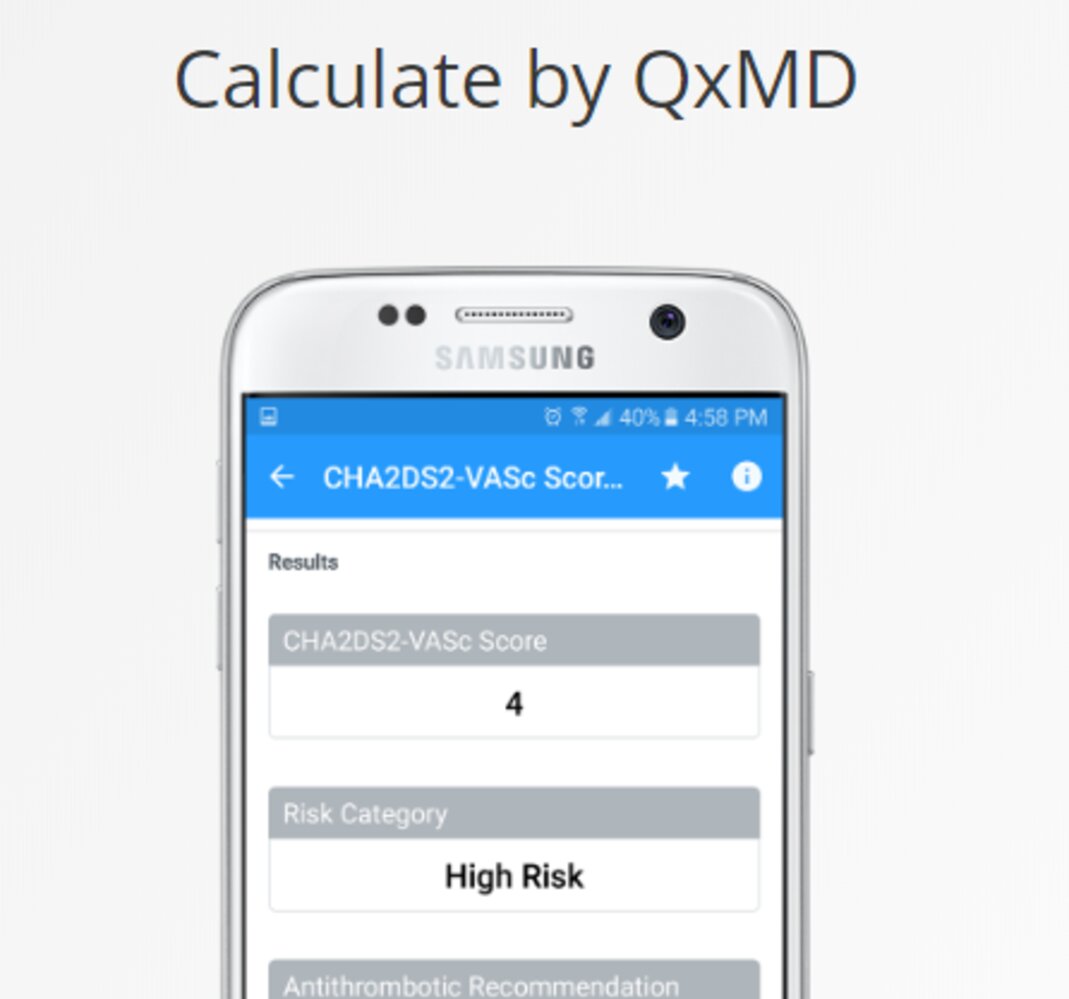
A validated scoring system for screening and diagnosis of catatonia.
Created by: QxMD.
Diagnosis
Approach [10]
- Schizophrenia is a clinical diagnosis based on the DSM-5 criteria.
- Consult psychiatry urgently. [11]
- Diagnostic studies may be indicated to:
- Rule out an organic cause (e.g., using diagnostic studies for secondary psychosis)
- Establish a baseline before initiating pharmacological treatment
- Identify comorbidities (e.g., diabetes mellitus) or other conditions (e.g., pregnancy) that influence management
- Facilitate admission to a psychiatric facility with limited resources
- See “Diagnostics” in “Approach to psychosis” for details.
Schizophrenia is a clinical diagnosis that should be made by a psychiatrist.
Brain imaging is not required for the diagnosis of schizophrenia but can show cortical atrophy, decreased hippocampal and/or temporal mass, and/or enlargement of the cerebral ventricles. [12]
DSM-5 diagnostic criteria for schizophrenia[1]
-
At least two of the following symptoms must be present, with at least one of these from the first three symptoms listed:
- Delusions
- Hallucinations
- Disorganized speech
- Grossly disorganized behavior or catatonia
- Negative symptoms
- The above symptoms persist for ≥ 1 month.
- Continuous signs of disturbance for ≥ 6 months
- Symptoms must cause social, occupational, or personal functional impairment for a significant period of time
- Schizoaffective disorder and mood disorder with psychotic features have been ruled out.
- Medical or substance use disorder has been ruled out.
- History of autism spectrum disorder or communication disorder of childhood onset: Prominent delusions or hallucinations must be present for ≥ 1 month.
Differential diagnoses
See “Psychotic disorders” for details. [2][13]
-
Schizophrenia spectrum disorders
- Brief psychotic disorder
- Schizophreniform disorder
- Schizoaffective disorder
- Delusional disorder
- Schizotypal personality disorder
-
Other psychiatric conditions
- Mood disorders with psychotic features
- Anxiety disorders (e.g. obsessive-compulsive disorder)
- Posttraumatic stress disorder [2]
- Psychotic disorder due to another medical condition: e.g., delirium, dementia, SLE, thyrotoxicosis, TBI, brain tumors, Wilson disease, porphyria, anti-NMDA receptor encephalitis[14]
- Substance-induced psychotic disorder: due to e.g., alcohol, cannabis, sympathomimetic drugs, hallucinogens
The differential diagnoses listed here are not exhaustive.
Management
Approach [10][15][16]
- Ensure patient and provider safety in cases of acute psychoses.
- Consider short-acting antipsychotics early if the patient is agitated or in distress. [17][18]
- See “Approach to the agitated or violent patient” for details.
-
Establish a therapeutic alliance when taking care of patients with delusions.
- Acknowledge the patient's emotional state.
- Avoid validation of delusions or confronting patients about the delusional nature of their symptoms.
-
Hospitalize patients who are:
- At risk of harming themselves or others
- Experiencing a first episode of psychosis
- All patients should receive:
- Specialized psychiatric care and a comprehensive treatment plan
- Treatment with an antipsychotic medication
- Adjunctive treatment with nonpharmacological interventions
- Integrated care of psychiatric and medical comorbidities (e.g., depression, metabolic syndrome)
- Prior to starting treatment patients should have:
- Assessment of symptom severity using quantitative tools, e.g., the Brief Psychiatric Rating Scale [19]
- Baseline diagnostic studies to screen for and facilitate treatment of complications
- After starting treatment patients should be regularly reassessed to:
- Assess the effectiveness of treatment
- Screen for side effects caused by antipsychotic therapy
- Detect any signs of relapse
The diagnosis of schizophrenia and the initiation of long-term antipsychotic medication should be determined and managed by a psychiatrist.
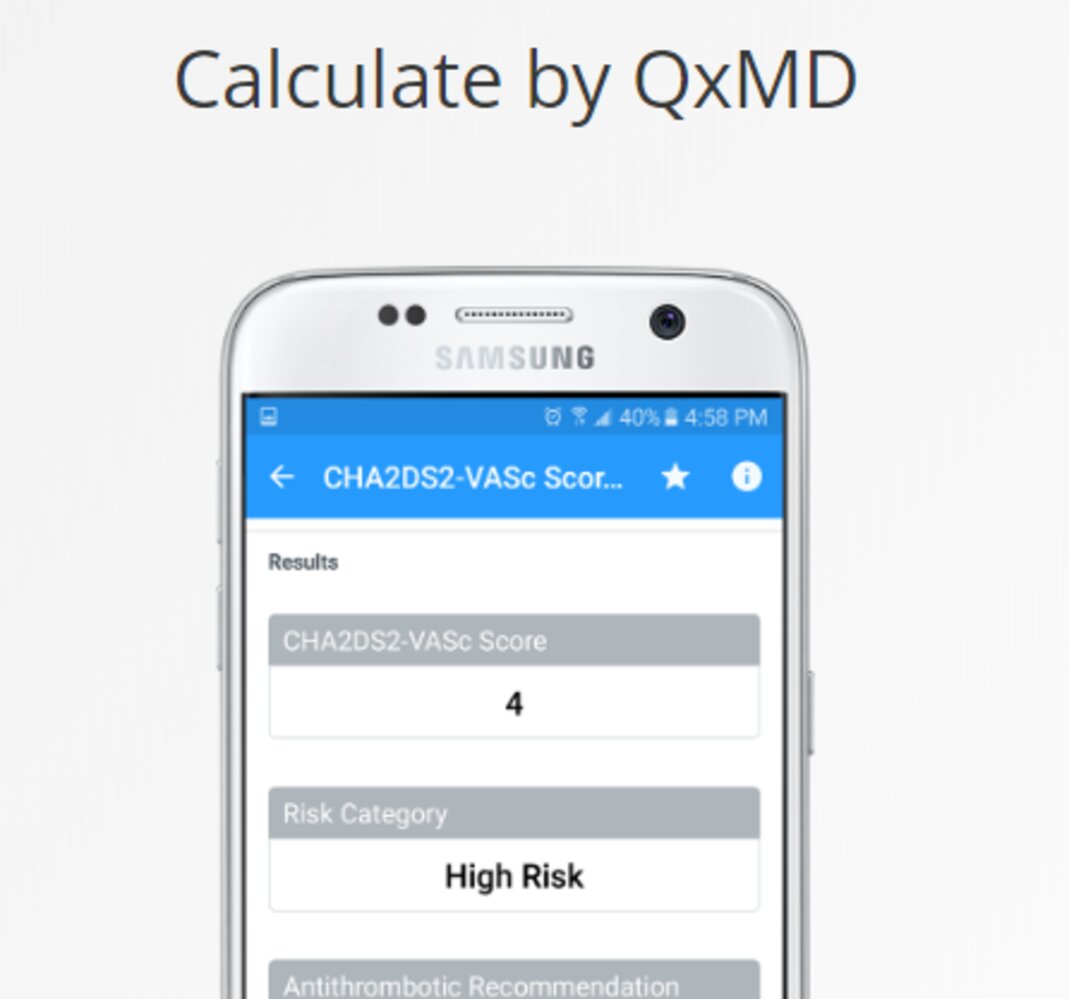
This calculator is provided by the third-party QXMD, who is solely responsible for its content and functionality.
Created by: QxMD.
Nonpharmacological and pharmacological treatment
Nonpharmacological interventions [10]
- Provide adjunctive nonpharmacological interventions to all patients.
- Cognitive-behavioral therapy: improves the quality of life and reduces positive symptoms
- Psychoeducation : associated with improved social functioning and lower relapse rates
- Cognitive remediation therapy in patients with cognitive impairment
- Social skills training
- Supported employment services: improves employment outcomes
- Consider assertive community treatment in patients who are at ongoing risk of hospitalization, incarceration, and/or unstable housing.
- Family interventions : reduce core symptoms and relapse rates
Baseline studies prior to starting pharmacological treatment [10]
- Pregnancy test: Pregnancy may alter the management of schizophrenia.
-
Laboratory studies (to establish a pretreatment baseline) :
- Fasting blood glucose and/or HbA1c
- Lipid panel
- Prolactin level
- ECG: Assess for potential QTc prolongation or evidence of cardiovascular disease. [10]
Selection of an initial antipsychotic medication [10]
- Antipsychotics (e.g., risperidone, aripiprazole, quetiapine) are the first-line treatment for schizophrenia.
-
Treatment can be initiated with either a first generation or a second generation antipsychotic. [10]
- Clozapine is not recommended as first-line treatment because of significant side effects (e.g., agranulocytosis).
-
Base the selection of antipsychotics on:
- Side effects
- Available formulations
- Potential drug interactions
- For further information see “Overview of antipsychotics.”
- In pregnant patients, older generations of antipsychotics with a greater evidence base may be preferable. [10]
- Suggested first-generation antipsychotic: haloperidol [20]
- Suggested second-generation antipsychotic: olanzapine [20]
Because of the risk of side effects, patients should not be started on long-acting injectable antipsychotics without a trial of the oral formulation of the same medication first. [10]
Clozapine and olanzapine are not recommended as first-line agents for patients experiencing their first episode of schizophrenia. Clozapine is associated with severe agranulocytosis, olanzapine with significant metabolic side effects. [17]
Reassessment
Symptom severity should be reassessed with a quantitative tool 2–4 weeks after initiating treatment.
Negative symptoms are more difficult to treat and may continue after positive symptoms have resolved. [21]
Partial or no response to initial antipsychotic medication [10]
- Successful antipsychotic therapy should improve symptoms by > 20% after approximately 2 weeks.
- If the patient has not had > 20% improvement by 2 weeks, or improvement subsequently plateaus at < 50% improvement:
- Consider contributing factors: cannabis use, medication interaction, poor absorption, effect of smoking on drug metabolism, concomitant disorder (e.g., depression). [10]
- Consider increasing the dose of the initial medication one time.
- If there is no response after this change, consider using a different antipsychotic. [10]
- If there is no response after an adequate trial of 2 different antipsychotics, the patient is considered to have treatment-resistant schizophrenia.
Treatment-resistant schizophrenia [10]
- Definition: persistent positive symptoms (i.e., delusions, hallucinations, and/or disorganized speech) despite trials of ≥ 6 weeks of 2 different antipsychotics at therapeutic doses [10]
- An estimated 25–30% of patients will be resistant to 2 medications. [10][15]
-
Clozapine is the drug of choice for treatment-resistant schizophrenia. [10]
- Indications
- No response to 2 other antipsychotics
- Persistent aggressive behavior or suicidal intentions
-
Clozapine is not used as first-line therapy because of its adverse effects, which include:
- Cardiovascular collapse with rapid dosage changes
- Orthostatic hypotension
- Seizures
- Agranulocytosis
- Enrollment in a national patient registry and frequent monitoring of clozapine levels and CBC are mandated for clozapine use. [10]
- Indications
All patients taking clozapine require regular monitoring of their absolute neutrophil count because of the risk of fatal agranulocytosis.
Continuation of medication [10]
- Antipsychotic medication should be continued indefinitely if it has effectively reduced initial symptoms.
-
Pregnancy is not an indication to stop treatment. [10]
- Risks of discontinuing antipsychotics include disrupted prenatal care, poor nutrition, adverse risk behaviors, and relapse.
- Most individuals only become aware of their pregnancy after 8 weeks of gestation, when the risk of teratogenicity has already occurred.
-
Long-acting (injectable) antipsychotics may be considered based on patient preference or poor adherence to the medication regimen. ; [16]
- Nonadherence is common for several reasons : [15][16][18]
- Medication side effects (e.g., galactorrhea)
- Lack of patient insight into the need for treatment
- Difficulties adhering to a daily medication regimen
- Patients may prefer injectable medications because they are convenient and produce a stable drug effect.
-
Examples of long-acting injectable antipsychotics include:
- First-generation antipsychotics: fluphenazine, haloperidol
- Second-generation antipsychotics: risperidone, aripiprazole, olanzapine, paliperidone
- Nonadherence is common for several reasons : [15][16][18]
Stopping antipsychotics during pregnancy risks relapse; it should only be done under guidance from experts in perinatal psychiatry.
Acute relapse
Preventing relapse is one of the primary goals of schizophrenia treatment. [22][23]
Definition [24]
- No established definition for relapse exists.
- Commonly used criteria include:
- Hospitalization for psychosis (most common)
- Quantified decline on a clinical scale [23]
- Exacerbation of symptoms or violent or self-injurious behavior
Epidemiology
- Occurs in > 50% of patients who stop antipsychotics and 16% of those who continue treatment [25]
- The risk is highest in patients who stop medications within 2 years of an acute episode of psychosis. [26]
Risk factors for relapse [24]
- Nonadherence to medication (most common cause) [25]
- Stress
- Intercurrent mental illness, e.g., depression
- Substance use [18][27]
- History of hospitalizations or previous relapse
- Treatment interruption (e.g., as a result of health insurance lapse)
Symptoms of relapse [28][29]
- Symptoms generally occur in a predictable order and usually over a period of less than 4 weeks.
- Dysphoric symptoms (most common)
- Emotional disturbance
- Psychotic symptoms
- Onset may be abrupt, with as little as one day from the onset of symptoms to psychosis. [25]
Relatives can be a valuable source of collateral history as up to 75% will have noticed symptoms in the 4 weeks prior to relapse. [25]
Treatment [26]
- Early intervention during prodromal symptoms may prevent relapse.
- Reinstitute antipsychotics or increase the dose of currently used medication.
- Consider adding a benzodiazepine (to reduce anxiety associated with relapse).
- See “Management of agitated or violent patients” for acute stabilization measures.
Prevention [24]
- Encourage adherence to antipsychotic medications.
- Provide concurrent nonpharmacological therapy. [30]
- Educate patients and relatives on the signs of relapse in order to facilitate early intervention.
Complications of relapse [22][23][24]
- Progressive functional impairment and cognitive decline [25]
- Decreased responsiveness to long-term therapy
- Worsened quality of life
Relapse in schizophrenia is best managed with aggressive prevention (i.e., continuous use of antipsychotic medications and adjunct nonpharmacological therapy).
Management of complications and comorbiditities
General principles [1][31]
-
Risk factors for secondary medical illness include:
- Adverse effects of antipsychotics
- High prevalence of tobacco and cannabis use
- Impact of severe mental illness on health equity (see “Social determinants of health”)
- Routine health care is commonly underaddressed in patients with schizophrenia, resulting in significant morbidity. [31]
Between 50–75% of patients with schizophrenia have at least one secondary medical illness. Systematic screening for multiple medical comorbidities and integrated team care is recommended for all patients with schizophrenia. [31][32]
Common comorbidities [1][31][32]
- Cardiovascular disease
- Weight gain
- Diabetes mellitus
- Metabolic syndrome
- COPD
- Obstructive sleep apnea
- Hepatitis B and hepatitis C
- Tobacco use disorder [31]
- Substance use disorders [18]
- Other mental health disorders (e.g., depression, anxiety disorders)
Management of mental health comorbidities [10]
-
Major depressive disorder: Up to 75% of patients experience depressive symptoms. [20]
- Perform regular screenings for major depressive disorder.
- In patients with symptoms of depression, consider: [10][20]
- Changing antipsychotics to one associated with having a greater effect on depressive symptoms (e.g., quetiapine)
- Adding tricyclic antidepressants or selective serotonin reuptake inhibitors
-
Anxiety disorders (e.g., post-traumatic stress disorder, obsessive-compulsive disorder, panic disorder)
- Consider antidepressants with an anxiolytic effect.
- Benzodiazepines are often prescribed but there is limited evidence to support their use. [10][17]
-
Suicide: ∼ 20% of patients with schizophrenia attempt suicide. [1]
- Actively monitor patients for suicide risk and consider hospitalization in high-risk patients.
- Clinical symptoms and signs associated with increased suicidal ideation include:
- Depressive symptoms
- Substance use disorders (including tobacco)
- Agitation, insomnia, and motor restlessness
Patients recently discharged from hospital are at a significantly increased risk of suicide. Frequent outpatient visits are warranted. [20]
Management of medical comorbidities
Primary prevention
- Dietary and exercise advice
- Counseling on substance use disorder
- Counseling on smoking cessation
- Counseling on safer sex practices
- Education on:
- Expected side effects of antipsychotics, including serious complications such as neuroleptic malignant syndrome
- Importance of attending regular screenings
Patients taking antipsychotics are at increased risk of heatstroke secondary to poikilothermia; regular exercise is still encouraged but patients should be advised to take precautions on hot days and be alert to the symptoms of heatstroke. [16]
Recommended screening for patients taking antipsychotics [10]
| Screening studies and recommended intervals for patients with schizophrenia taking antipsychotics [10][18] | |||
|---|---|---|---|
| Common complications | Potential presentations | Recommended studies | Recommended intervals |
| Movement disorders |
|
|
|
| Cardiovascular complications |
|
|
|
| Metabolic complications |
|
|
|
| Weight gain |
|
|
|
| Hyperprolactinemia [16] |
|
|
|
| Agranulocytosis (patients taking clozapine) [36] |
|
|
|

Management of antipsychotic adverse effects and associated comorbidities [10][11]
- Strategies to reduce and manage adverse effects include:
- Using the lowest possible dose
- Switching to another agent
- Dividing doses if possible
- Regular monitoring of patients taking clozapine (see above)
- Initiate standard therapy for comorbidities if feasible (e.g., diabetes management, lipid-lowering agents for hyperlipidemia).
- See “Management of antipsychotic adverse effects” and “Extrapyramidal disorders” for details.
Consult psychiatry if an adjustment of psychiatric medications is required.
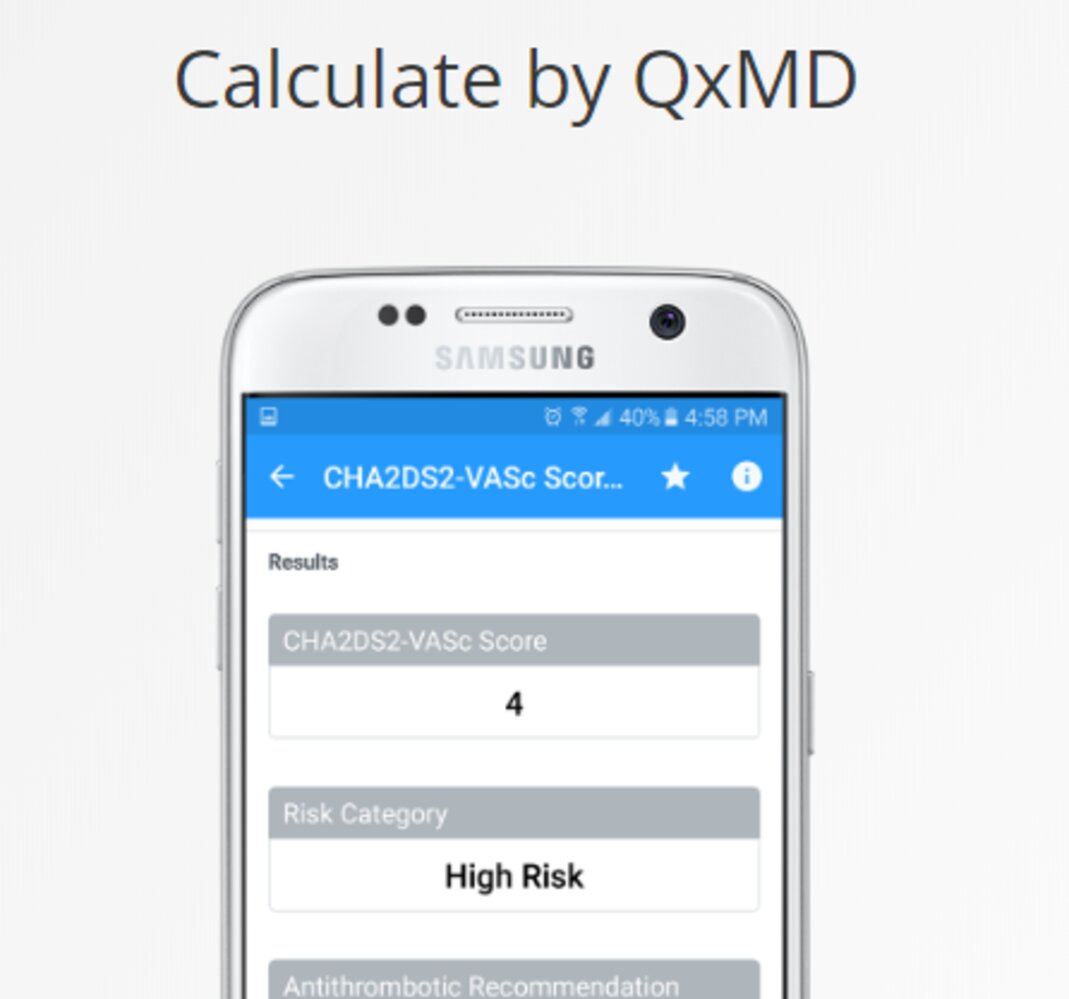
This calculator is provided by the third-party QXMD, who is solely responsible for its content and functionality.
Created by: QxMD.
Prognosis
Schizophrenia is a progressive disorder that causes significant impairment, with many patients presenting with psychosocial dysfunction.
-
Predictive factors for a favorable course of illness [37]
- Strong treatment adherence
- Older age at onset
- Strong network of social support
- Rapid onset of symptoms
- Few negative symptoms
- Female sex
- High level of functioning before onset
- Timely diagnosis and treatment
-
Predictive factors for an unfavorable course of illness [38]
- Family history
- Early onset of disease
- Poor network of social support
- Slow onset of symptoms
- Many negative symptoms
- Male sex
- Cognitive impairment
- Concomitant substance use disorder
- Suicidal ideation/suicide attempt
Depressive symptoms are associated with a higher risk of suicide, but may be linked to a lower risk of relapse and/or hospitalization. [38][39]
Patients with schizophrenia are at an increased risk for alcohol use disorder, depression, violence, and suicide (∼ 5% of affected individuals complete suicide). [38]
Special patient groups
Schizophrenia in children and adolescents
Definitions [40][41]
- Early-onset schizophrenia: onset before 18 years of age
- Childhood-onset schizophrenia (COS): onset before 13 years of age
- Adolescent-onset schizophrenia: onset between 13 and 17 years of age [42][43]
Epidemiology
- COS: extremely rare; prevalence of < 0.04% [14][40]
- Adolescent-onset schizophrenia: prevalence of 0.5% [44]
In a large international meta-analysis, by 18 years of age, 18% of individuals with schizophrenia had experienced symptoms, but only 6.5% had been diagnosed. [45]
Clinical features [2]
-
Prodromal symptoms are more common in early-onset schizophrenia, e.g: [14][41]
- Social withdrawal and isolation
- Behavioral disturbances
- Dysphoria
- Developmental delays
-
Cognitive symptoms of schizophrenia [42]
- Typically more severe in COS than in adolescent-onset schizophrenia
- May manifest as academic difficulties
- Negative symptoms of schizophrenia are prominent in early-onset schizophrenia compared to adult. [2][40][42]
-
Positive symptoms of schizophrenia differ from those in adults in the following ways: [2][41][44]
- Hallucinations are more common than delusions.
- Auditory hallucinations remain most common, but visual hallucinations occur more frequently in children.
- Delusions and hallucinations may be less complex in children.
- Catatonia is less common in early-onset schizophrenia compared to adults. [41]
Prodromal symptoms of schizophrenia may be mistaken for symptoms of depression, anxiety, or ADHD. [41][42]
Hallucinations are more common than delusions at younger ages, but they must be clearly differentiated from age-appropriate imaginative activity (e.g., engaging with imaginary friends, roleplay). [2]
Diagnosis [2][14][41]
Diagnosis is performed by a child psychiatrist after a comprehensive evaluation involving the following elements.
- Evaluation and management of acute psychosis [44]
- Assessment for differential diagnoses of schizophrenia in children and comorbidities, including: [2][14]
- Secondary psychosis (e.g., due to substance use; , autoimmune encephalitis); see "Diagnostics for psychosis"
- Neurodevelopmental disorders; see "Evaluation for abnormal pediatric development"
- Diagnostic confirmation
- The adult DSM-5 diagnostic criteria for schizophrenia are also used in children.
- In children and adolescents, symptoms must cause impaired or delayed social and/or academic development.
During psychiatric assessments, use validated tools (e.g., the Youth Psychosis At-Risk Questionnaire, the Prodromal Questionnaire – Brief) to screen for features of psychosis. [41][44]
Perform suicide risk screening in all patients presenting with psychosis, as they are at increased risk for suicide. [44]
Management
- Refer all patients to child psychiatry; urgently refer to the emergency department for: [44]
- Severe impairment in functioning
- Risk of self-harm or harm to others
- Severe agitation requiring pharmacological intervention
- Treatment includes: [40][41][44]
- Antipsychotic medications (e.g., risperidone, aripiprazole)
- Psychotherapeutic interventions (e.g., CBT, social skills training, family interventions)
- Provide preventive health care for complications of treatment.
- At diagnosis [41]
- Document BMI, weight circumference, and blood pressure, and screen for symptoms of diabetes.
- Obtain baseline laboratory studies (i.e., CBC, CMP, thyroid function tests, fasting glucose, and a lipid panel).
- Screen for family history of diabetes, obesity, cardiovascular disease, dyslipidemia, and hypertension.
- Educate on healthy lifestyle (e.g., diet and exercise).
- Reassess metabolic parameters every 6 months, or sooner if clinically indicated. [41]
- At diagnosis [41]
Specialized programs (e.g., early intervention or first episode psychosis programs) may improve the prognosis for children and adolescents with a new diagnosis of schizophrenia. [42]
Children and adolescents are at increased risk of metabolic adverse effects of atypical antipsychotics (e.g., diabetes, hyperlipidemia, and hypertension); monitoring is needed. [41]
Differential diagnoses
- Similar to differential diagnoses of schizophrenia in adults
- Consider also: [14][41]
- Normal childhood behaviors (e.g., vivid fantasies, imaginary friends) [2][41][46]
- Neurodevelopmental disorders, including autism spectrum disorder and attention deficit disorder
- Lysosomal storage diseases
- 22q11.2 deletion syndrome
- Subacute sclerosing panencephalitis
Prognosis
Compared to adult-onset schizophrenia, the prognosis of early-onset schizophrenia is typically worse, with a higher likelihood of: [14][41]
- Poor outcomes
- Treatment-resistant schizophrenia [42]
External Resources
References
- American Psychiatric Association. "Diagnostic and Statistical Manual of Mental Disorders". American Psychiatric Association. (2013). ISBN: 9780890425558
- "Diagnostic and Statistical Manual of Mental Disorders, Fifth Edition, Text Revision (DSM-5-TR)"
- Hamilton I. "Cannabis, psychosis and schizophrenia: unravelling a complex interaction.". Addiction. 112(9). :1653-1657. (2017)
- Vaucher J, Keating BJ, Lasserre AM, et al. "Cannabis use and risk of schizophrenia: a Mendelian randomization study.". Mol Psychiatry. 23(5). :1287-1292. (2018)
- Hirjak D, Brandt GA, Fritze S, et al. "Distribution and frequency of clinical criteria and rating scales for diagnosis and assessment of catatonia in different study types". Schizophr Res. 263. :93-98. (2024)
- Walther S, Stegmayer K, Wilson JE, Heckers S. "Structure and neural mechanisms of catatonia". The Lancet Psychiatry. 6(7). :610-619. (2019)
- American Psychiatric Association. "The American Psychiatric Association Practice Guideline for the Treatment of Patients With Schizophrenia". (2020)
- Holder SD, Wayhs A. "Schizophrenia.". Am Fam Physician. 90(11). :775-82. (2014)
- DeLisi, LE et al. "Understanding structural brain changes in schizophrenia". Dialogues Clin Neurosci. 8(1). :71-78. (2006)
- Griswold KS, Del Regno PA, Berger RC. "Recognition and Differential Diagnosis of Psychosis in Primary Care.". Am Fam Physician. 91(12). :856-63. (2015)
- Driver D, Thomas S, Gogtay N, Rapoport J. "Childhood-Onset Schizophrenia and Early-onset Schizophrenia Spectrum Disorders". Child Adolesc Psychiatr Clin N Am. 29(1). :71-90. (2020)
- Vita A, Barlati S. "Recovery from schizophrenia". Curr Opin Psychiatry. 31(3). :246-255. (2018)
- Hor K, Taylor M. "Review: Suicide and schizophrenia: a systematic review of rates and risk factors". Journal of Psychopharmacology. 24(4_suppl). :81-90. (2010)
- Arrasate M, González-Ortega I, García-Alocén A, et al. "Prognostic Value of Affective Symptoms in First-Admission Psychotic Patients". Int J Mol Sci. 17(7). :1039. (2016)
- Cioffi CL. "Modulation of NMDA receptor function as a treatment for schizophrenia". Bioorg Med Chem Lett. 23(18). :5034-5044. (2013)
- McIntosh AM et al. "Longitudinal Volume Reductions in People at High Genetic Risk of Schizophrenia as They Develop Psychosis". Biol Psychiatry. 69(10). :953-958. (2011)
- Sigmundsson T et al. "Structural Abnormalities in Frontal, Temporal, and Limbic Regions and Interconnecting White Matter Tracts in Schizophrenic Patients With Prominent Negative Symptoms". Am J Psychiatry. 158(2). :234-243. (2001)
- Remington G, Addington D, Honer W, et al. "Guidelines for the Pharmacotherapy of Schizophrenia in Adults". Can J Psychiatry. 62(9). :604-616. (2017)
- Patel KR, Cherian J, Gohil K, Atkinson D. "Schizophrenia: overview and treatment options.". P T. 39(9). :638-45. (2014)
- Buchanan RW et al. "The 2009 schizophrenia PORT psychopharmacological treatment recommendations and summary statements.". Schizophr Bull. 36(1). :71-93. (2010)
- Marder SR, Cannon TD. "Schizophrenia". N Engl J Med. 381(18). :1753-1761. (2019)
- Kane JM. "Tools to Assess Negative Symptoms in Schizophrenia". J Clin Psychiatry. 74(06). :e12. (2013)
- Hasan A, Falkai P, Wobrock T, et al. "World Federation of Societies of Biological Psychiatry (WFSBP) Guidelines for Biological Treatment of Schizophrenia Part 3: Update 2015 Management of special circumstances: Depression, Suicidality, substance use disorders and pregnancy and lactation". World J Bio Psychiatry. 16(3). :142-170. (2015)
- Sarkar S. "Conceptualization and treatment of negative symptoms in schizophrenia". World J Psychiatry. 5(4). :352. (2015)
- Alphs L, Nasrallah HA, Bossie CA, et al. "Factors associated with relapse in schizophrenia despite adherence to long-acting injectable antipsychotic therapy". Int Clin Psychopharmacol. 31(4). :202-209. (2016)
- Kane JM. "Treatment strategies to prevent relapse and encourage remission.". J Clin Psychiatry. 68 Suppl 14. :27-30. (2007)
- Olivares JM, Sermon J, Hemels M, Schreiner A. "Definitions and drivers of relapse in patients with schizophrenia: a systematic literature review". Ann Gen Psychiatry. 12(1). :32. (2013)
- Emsley R, Chiliza B, Asmal L, Harvey BH. "The nature of relapse in schizophrenia.". BMC Psychiatry. 13. :50. (2013)
- Hasan A, Falkai P, Wobrock T, et al. "World Federation of Societies of Biological Psychiatry (WFSBP) Guidelines for Biological Treatment of Schizophrenia, Part 2: Update 2012 on the long-term treatment of schizophrenia and management of antipsychotic-induced side effects". World J Biol Psychiatry. 14(1). :2-44. (2012)
- Brown E, Bedi G, McGorry P, O’Donoghue B. "Rates and Predictors of Relapse in First-Episode Psychosis: An Australian Cohort Study". Schiz Bull Open. 1(1). (2020)
- Birchwood M, Spencer E, McGovern D. "Schizophrenia: early warning signs". Adv in Psychiatr Treat. 6(2). :93-101. (2000)
- Birchwood M, Smith J, Macmillan F, et al. "Predicting relapse in schizophrenia: the development and implementation of an early signs monitoring system using patients and families as observers, a preliminary investigation". Psychol Med. 19(3). :649-656. (1989)
- Hogarty GE, Ulrich RF. "The limited effects of antipsychotic medication on schizophrenia relapse and adjustment and the contributions of psychosocial treatment". J Psychiatr Res. 32(3-4). :243-250. (1998)
- Smith DJ, Langan J, McLean G, Guthrie B, Mercer SW. "Schizophrenia is associated with excess multiple physical-health comorbidities but low levels of recorded cardiovascular disease in primary care: cross-sectional study". BMJ Open. 3(4). :e002808. (2013)
- Chwastiak L, Rosenheck R, Leslie D. "Impact of Medical Comorbidity on the Quality of Schizophrenia Pharmacotherapy in a National VA Sample". Med Care. 44(1). :55-61. (2006)
- Ward KM, Citrome L. "Antipsychotic-Related Movement Disorders: Drug-Induced Parkinsonism vs. Tardive Dyskinesia-Key Differences in Pathophysiology and Clinical Management.". Neurol Ther. 7(2). :233-248. (2018)
- Waln O, Jankovic J. "An Update on Tardive Dyskinesia: From Phenomenology to Treatment". Tremor Other Hyperkinet Move. 3. :03. (2013)
- Bostwick JR, Guthrie SK, Ellingrod VL. "Antipsychotic-Induced Hyperprolactinemia". Pharmacotherapy. 29(1). :64-73. (2009)
- "Clozapine and the risk of neutropenia: a guide for healthcare providers". https://web.archive.org/web/20210827083935/https://www.clozapinerems.com/CpmgClozapineUI/rems/pdf/resources/Clozapine_REMS_A_Guide_for_Healthcare_Providers.pdf
- Sunshine A, McClellan J. "Practitioner Review: Psychosis in children and adolescents". Journal of Child Psychology and Psychiatry. 64(7). :980-988. (2023)
- McClellan J, Stock S. "Practice parameter for the assessment and treatment of children and adolescents with schizophrenia". J Am Acad Child Adolesc Psychiatry. 52(9). :976-990. (2013)
- Correll C, Arango C, Fagerlund B, et al. "Identification and treatment of individuals with childhood-onset and early-onset schizophrenia". Eur Neuropsychopharmacol. 82. :57-71. (2024)
- "Managing Symptoms in Adolescent-Onset Schizophrenia: A Narrative Review of Therapeutic Interventions.". Healthcare. 13(22). (2025)
- Hua L, Alderman E, Chung R, et al. "Collaborative Care in the Identification and Management of Psychosis in Adolescents and Young Adults". Pediatrics. 147(6). (2021)
- Solmi M, Radua J, Olivola M, et al. "Age at onset of mental disorders worldwide: large-scale meta-analysis of 192 epidemiological studies". Mol Psychiatry. 27(1). :281-295. (2021)
- Kendhari J, Shankar R, Young-Walker L. "A Review of Childhood-Onset Schizophrenia". Focus (Am Psychiatr Publ). 14(3). :328-332. (2016)